Reclamation, Closure & Compliance
Reclamation, closure, and compliance recovery for BC owners facing an ALC or municipal enforcement notice.
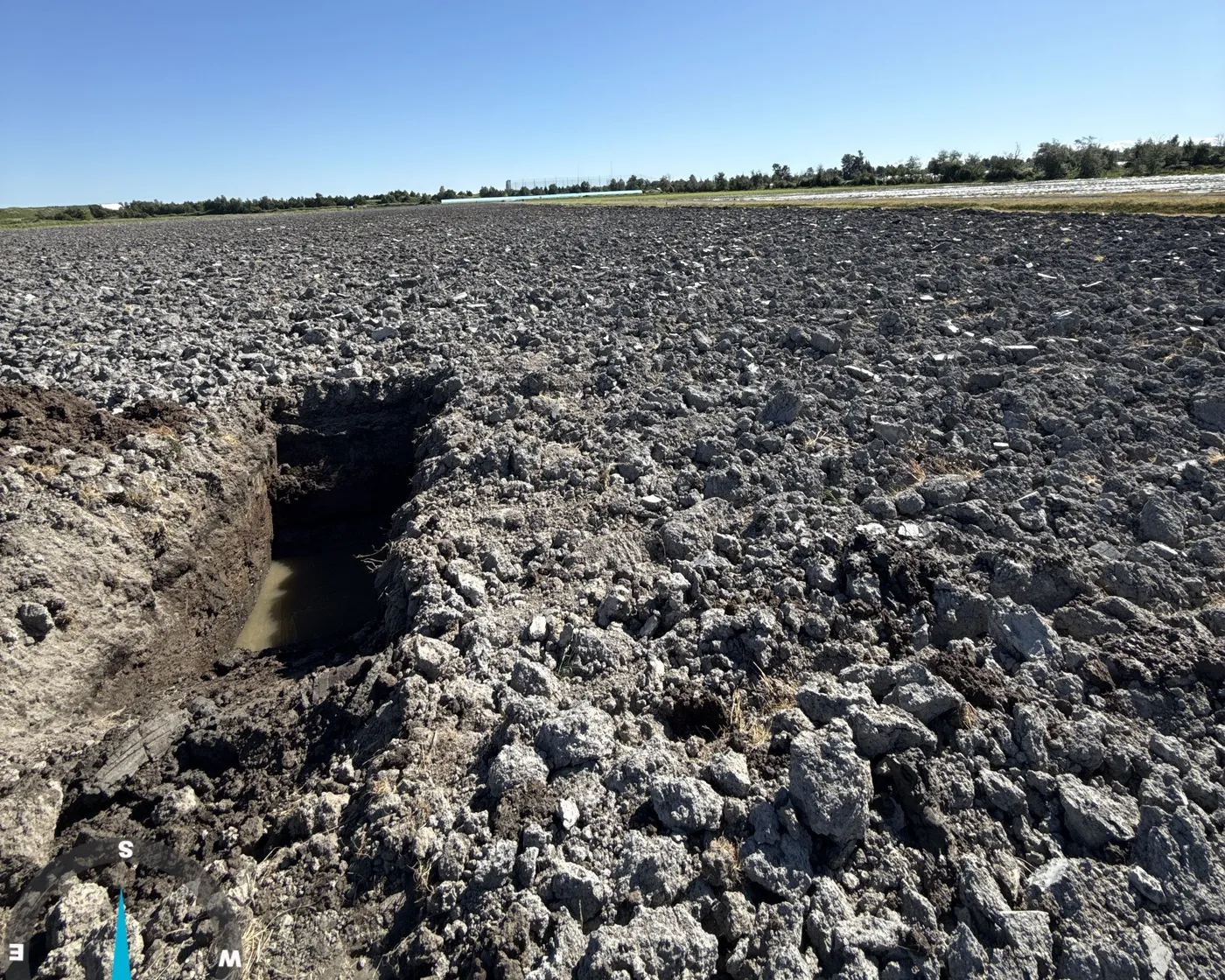
When a soil or fill file goes sideways, an enforcement notice, a stop-work order, or a deposit that was never closed out, you want a Professional Agrologist who knows how regulators think. We prepare Reclamation Management Agreements and reclamation plans, draft closure memos, and act as agrologist-of-record for soil-deposit oversight, with stamped P.Ag. sign-offs the Agricultural Land Commission and municipalities recognise.
What's included
- Reclamation Management Agreement (RMA) preparation and supporting reclamation plans for ALR properties
- Closure memos documenting that a soil or fill deposit meets agricultural and regulatory expectations
- Enforcement and compliance-recovery strategy in response to ALC notices and municipal violation or stop-work orders
- Agrologist-of-record / qualified-professional oversight and monitoring of soil-deposit and reclamation work
- Field observation, test pit programs, and soil quality assessment to document existing conditions
- Qualitative drainage observations and agricultural-impact interpretation (detailed drainage design deferred to a qualified engineer)
- Stamped P.Ag. letters, memos, and sign-offs submitted to the regulator
- Liaison and correspondence with ALC compliance staff and municipal officials on your behalf
- Coordination with R.P.Bio. partners where riparian or biological conditions are part of the file
Reclamation, Closure & Compliance
A soil or fill file gone wrong on agricultural land rarely fixes itself. An Agricultural Land Commission (ALC) enforcement notice, a municipal violation or stop-work order, a fill deposit never properly closed out, these are time-sensitive, and how you respond in the first few weeks often shapes the outcome. Titrin AgriSoil Solutions helps British Columbia property owners, farmers, and developers recover compliance and close out soil and fill files with reclamation plans, closure documentation, and stamped Professional Agrologist (P.Ag.) sign-offs that regulators recognise.
It is the part most owners never plan for: fill arrives, a deposit happens, conditions change, and then a letter shows up referencing the Agricultural Land Reserve (ALR) and asking for a path back to compliance. We handle that path.
When you need this service
Bring in a Professional Agrologist for reclamation and compliance work when:
- You have received an ALC enforcement or compliance notice about soil deposit, fill, or land use on an ALR property.
- A municipality has issued a violation notice or stop-work order tied to soil, fill, or grading.
- Fill was placed on your land, by you, a previous owner, or a hauler, and now needs to be assessed and reconciled against what regulators expect.
- A soil deposit or removal file needs to be formally closed out, with confirmation that the site is in acceptable agricultural condition.
- A Reclamation Management Agreement (RMA) has been requested, or is a condition of approval, and needs to be prepared and overseen.
- You are buying or selling a property and discover an open or unresolved soil/fill matter during due diligence.
The common thread: a regulator wanting independent, credible evidence that the land is being returned to sound agricultural condition, and a deadline that makes guessing expensive.
What Titrin delivers
Our reclamation and compliance work centres on documentation that stands up to regulator scrutiny:
- Reclamation Management Agreements (RMA) and reclamation plans, the formal commitment for how a site will be reclaimed to an agricultural condition, with a monitoring and sign-off framework.
- Closure memos, stamped confirmation that a soil or fill deposit meets agricultural and regulatory expectations, so the file can be closed.
- Enforcement and compliance recovery, a response strategy to ALC notices and municipal orders, built around what the regulator is actually asking for.
- Agrologist-of-record oversight and monitoring, Titrin as the qualified professional supervising soil-deposit and reclamation work through to completion.
- Field evidence, site observation, test pit programs, and soil quality assessment that document real conditions, not assumptions.
- Stamped P.Ag. sign-offs, the professional letters and memos regulators expect, signed by the agrologist on your file.
Drainage is addressed the way a Professional Agrologist properly does: through observed conditions in test pits and at surface, and interpretation of what they mean for agricultural capability. Detailed drainage or structural design is deferred to a qualified engineer, we tell you plainly where the line sits and coordinate the hand-off. Where riparian or biological conditions are part of the file, Titrin works alongside Registered Professional Biologist (R.P.Bio.) partners.
How Titrin approaches a compliance file
The first move is always to understand the notice before touching the site, reacting with a load of soil before you know what the regulator wants is how a recoverable situation becomes a worse one. Titrin reads the enforcement notice and the correspondence behind it, walks the property, and documents existing conditions with field observation and test pits. From there we build a reclamation plan or closure approach that is realistic for the land and credible to the regulator, put our stamp behind it, and stay on the file as agrologist-of-record while the work is carried out.
Throughout, Titrin is your point of contact with ALC compliance staff and municipal officials, so you are not interpreting regulatory language or guessing at what a submission needs to contain.
Why Titrin
The differentiator on a compliance file is perspective. Tishtaar Titina, P.Ag., M.Sc., spent more than a decade across the Agricultural Land Commission and the City of Richmond before founding Titrin. Your reclamation plan, closure memo, or enforcement response is prepared by someone who has sat on the regulator’s side of the table, who knows what makes a submission land, and what gets it returned with questions. When a notice has a deadline, that judgement is the most valuable thing on the file.
You also get direct access to the P.Ag. on every file, no hand-off to a junior, and full-cycle delivery. Titrin works across Metro Vancouver, the Fraser Valley, and Vancouver Island, and has supported soil remediation oversight, closure reporting, and municipal compliance sign-offs on real Richmond-area sites. Where a file needs to move beyond agrology into construction delivery, Titrin can coordinate with our in-house licensed builder and general contractor, keeping one informed perspective on the whole problem from assessment to close-out.
If you are holding an enforcement notice or need to close out a soil or fill file, the sooner a Professional Agrologist is on it, the more options you keep. Book a consultation.
Frequently asked questions
I just received an enforcement notice from the ALC (or a municipal violation order). What should I do first?
What is a Reclamation Management Agreement (RMA), and when do I need one?
What is a closure memo and why does the regulator want one?
Does Titrin do the actual earthworks, or the engineering for the reclamation?
You used to work at the ALC and the City of Richmond, how does that help my file?
Related projects
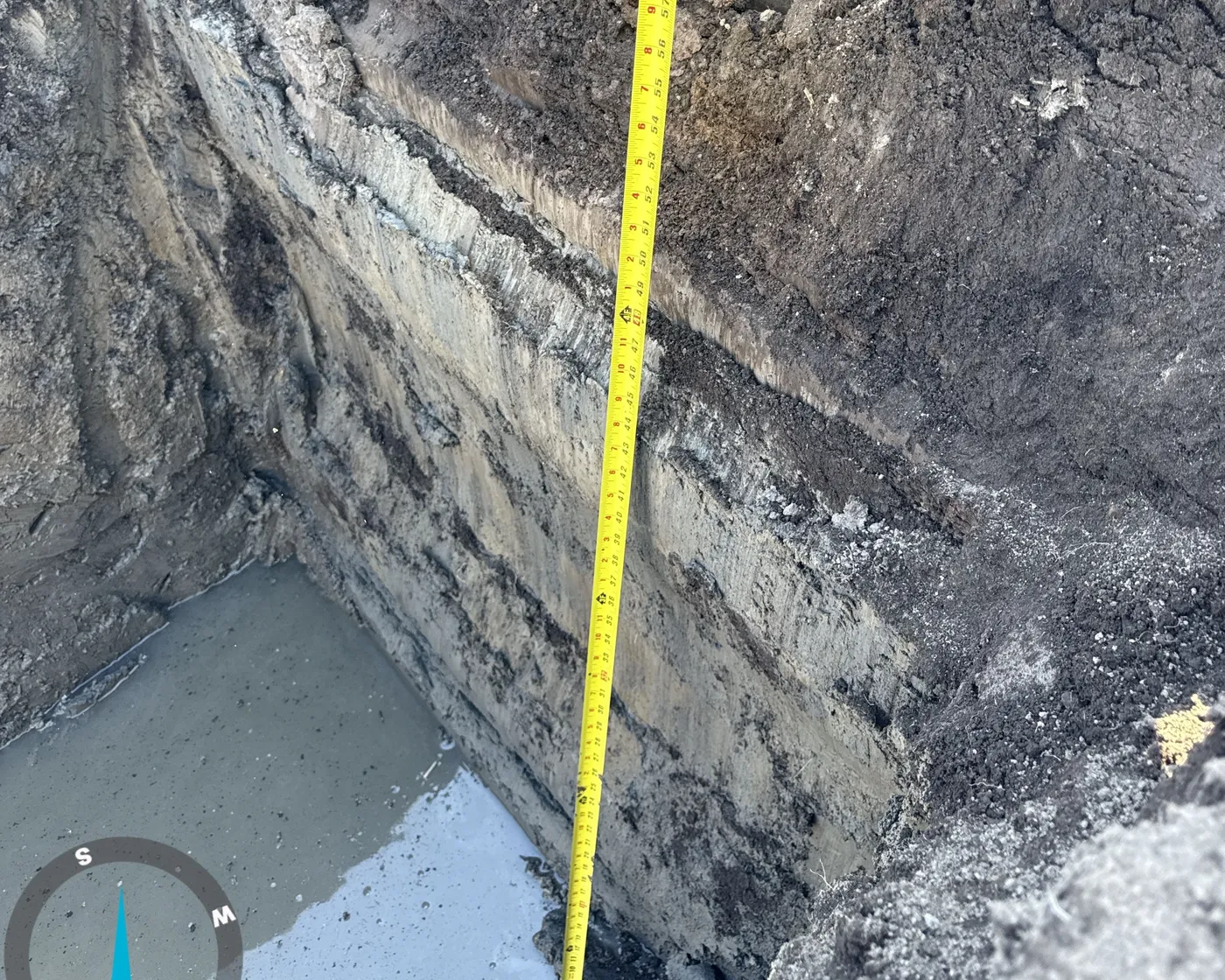
Blueberry Development, Soil Oversight
Titrin served as agrologist-of-record (AOR) for soil-deposit oversight on a blueberry development in Richmond, BC, providing fill source-site review, on-site monitoring of the placed material, and a P.Ag.-stamped sign-off to the municipality. Tish Titina, P.Ag., remained the point of contact and the professional accountable for the file throughout.
View project →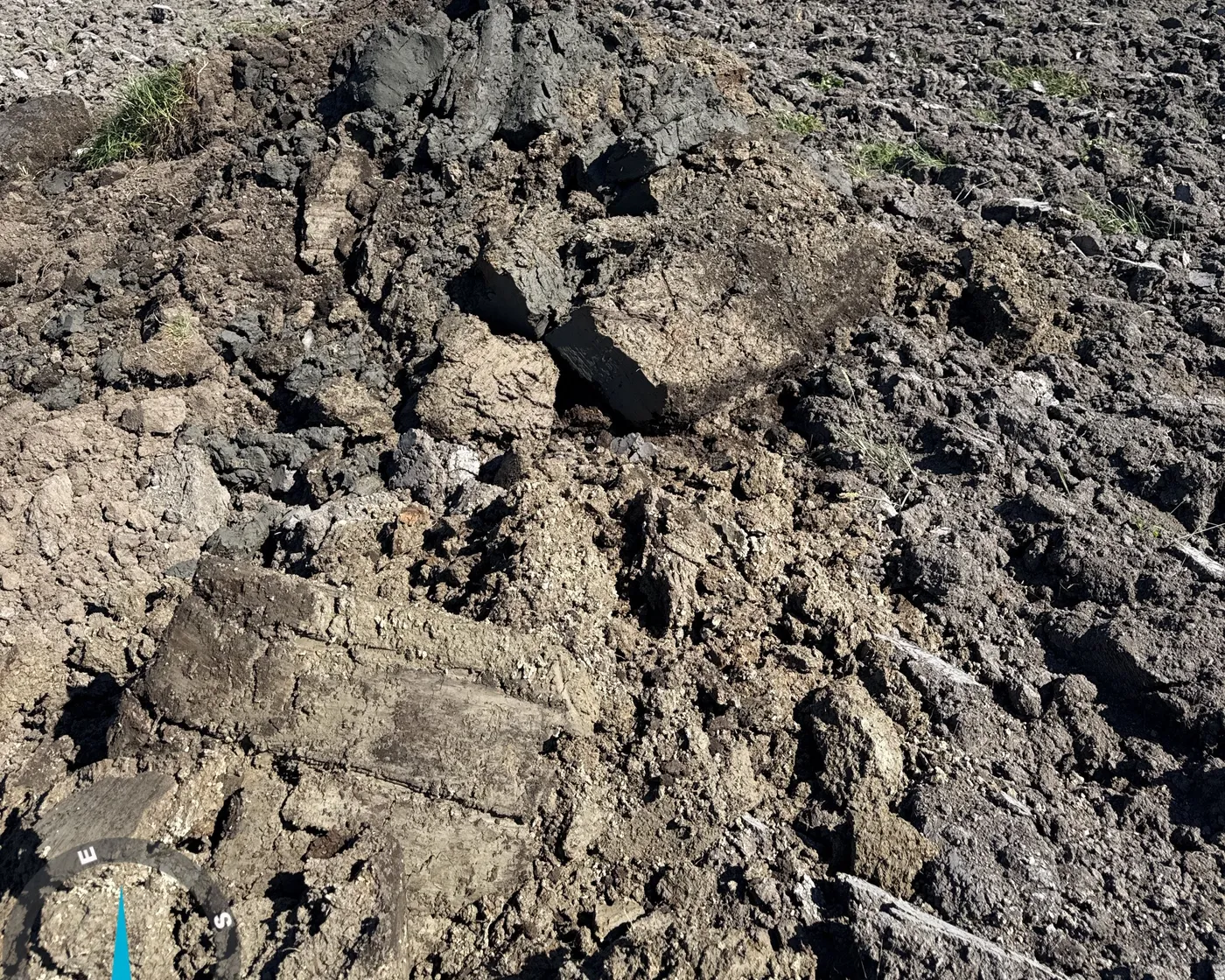
ALR Property, Farm Plan & Reclamation
Titrin AgriSoil Solutions prepared a Farm Plan alongside a Reclamation Management Agreement (RMA) for an ALR property in Richmond undergoing soil works, with Tish Titina, P.Ag., leading the file directly. We set the agronomic standard for the land's return to agricultural use and aligned the soil works with Agricultural Land Commission expectations.
View project →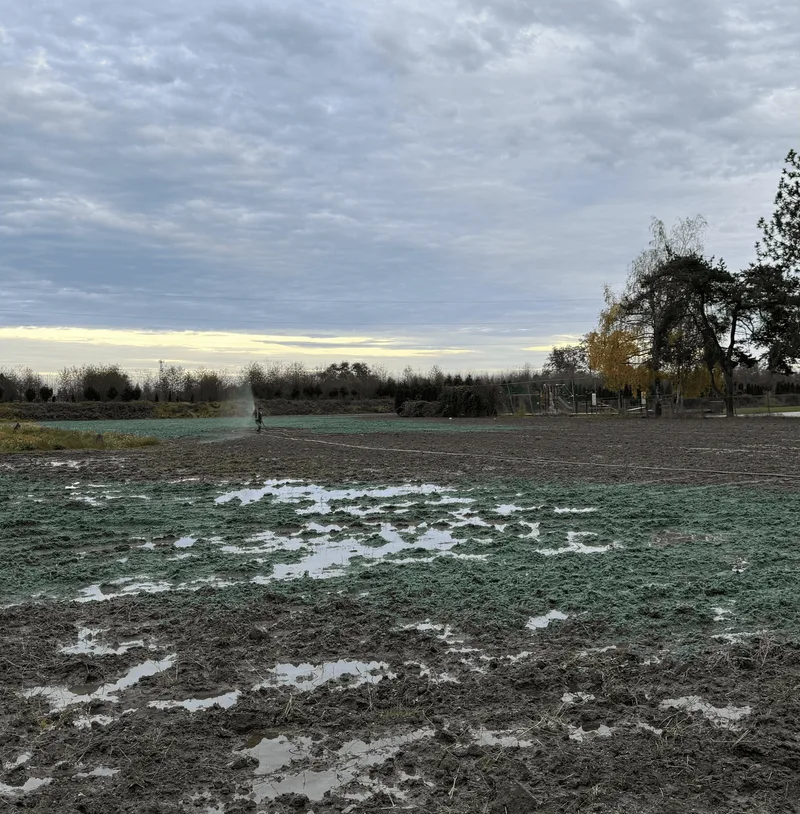
LingYen Mountain Temple
Titrin provided professional agrologist oversight of soil remediation on Agricultural Land Reserve farmland in Richmond, BC, directing the corrective work, completing site inspection, and preparing the closure report the municipality required to close out the file.
View project →