Fill Quality Assessment & Soil Testing
Independent assessment that confirms imported soil and fill meets an agricultural standard and satisfies ALC and municipal soil-deposit conditions.
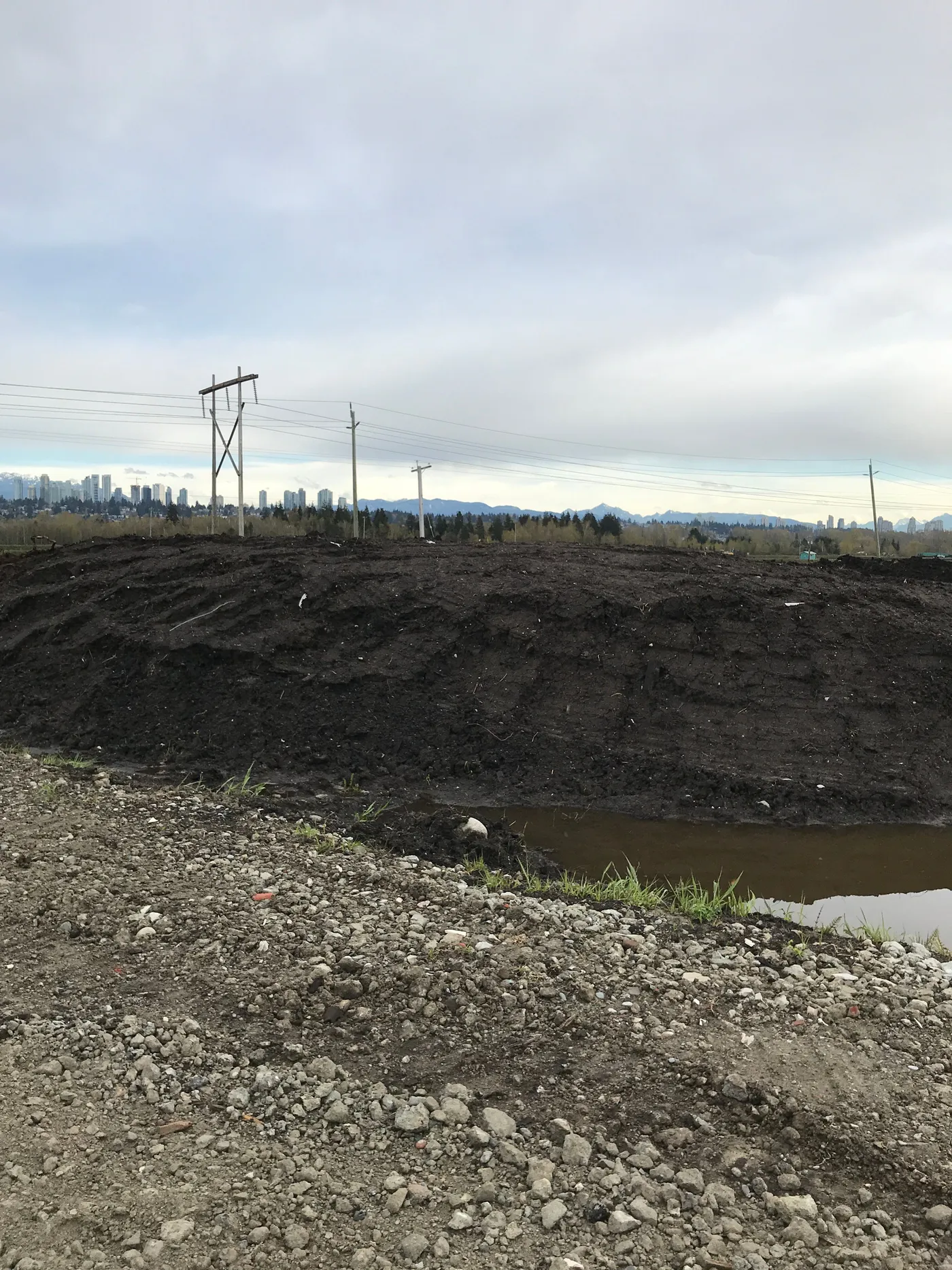
Before fill goes onto ALR land or farmland, you usually need proof the material is clean and agriculturally suitable. We review the source site, sample and interpret the soil against agronomic and regulatory criteria, and document whether the imported material meets an agricultural standard. The result is a signed Fill Quality Assessment that holds up to Agricultural Land Commission and municipal soil-deposit conditions, prepared by a Professional Agrologist.
What's included
- A signed Fill Quality Assessment report prepared and reviewed by a BC-registered Professional Agrologist
- Source-site soil review and written sign-off on the suitability of proposed fill before it is hauled
- Representative soil sampling with documented locations, depths, and field test-pit observations
- Laboratory analysis coordination and plain-language interpretation against agronomic and regulatory criteria
- Assessment of imported material against an agricultural standard for texture, organic matter, and growing suitability
- A clear suitable / not-suitable determination with conditions, keyed to your ALC or municipal soil-deposit requirements
- Qualitative notes on observed site and drainage conditions and their agricultural implications
- Photo-documented field record and sample log suitable for the regulatory file
- Recommendations for acceptance, blending, or rejection of a fill source to keep your project on a compliant footing
What a Fill Quality Assessment is
A Fill Quality Assessment (FQA) is an independent, science-backed evaluation of soil or fill material, confirming it is suitable for agricultural land and meets the conditions a regulator has placed on your property. It answers a deceptively simple question: is this material good enough, and clean enough, to belong on farmland?
For land in the Agricultural Land Reserve (ALR), and for many properties carrying municipal soil-deposit conditions, that question is not optional. The Agricultural Land Commission (ALC) and local governments across Metro Vancouver and the Fraser Valley expect documented proof, from a qualified professional, that imported material meets an agricultural standard before it is placed. An FQA provides that proof.
At Titrin AgriSoil Solutions, an FQA is prepared and signed by a BC-registered Professional Agrologist. It pairs hands-on field observation and test pits with accredited laboratory analysis, then interprets the results against both agronomic criteria and the specific regulatory conditions on your file.
When you need one
Consider a Fill Quality Assessment when any of the following apply:
- You are bringing soil or fill onto an ALR parcel and need to satisfy ALC requirements for the placement of fill.
- A municipality has attached soil-deposit, grading, or fill conditions to your permit, or is enforcing a soil-deposit bylaw.
- You are accepting fill from an outside source and want documented assurance it is agriculturally suitable before it is hauled.
- A regulator or buyer has asked you to demonstrate that material already placed meets an agricultural standard.
- You are responding to an enforcement notice or compliance concern and need a defensible, professional characterisation of what is on the ground.
The common thread is risk. Poor-quality or contaminated fill is expensive to remediate once spread and graded, and far more so once buried under later lifts. An assessment up front is the cheapest insurance on a fill project.
How Titrin approaches a Fill Quality Assessment
Our process is built to produce a report a regulator will accept the first time, without overstating what a Professional Agrologist can speak to.
1. Scope and regulatory framing. We start with your property, the volume and intended use of the fill, and the exact ALC or municipal conditions that apply. That framing determines what we sample, what we test for, and what the report must demonstrate.
2. Fill source-site review and sign-off. Wherever possible, we assess the proposed fill at its source before delivery, reviewing the site, sampling the stockpile or borrow area, and providing written sign-off on suitability while you can still reject or substitute it. Approving fill at the source is always preferable to discovering a problem once it is on your land.
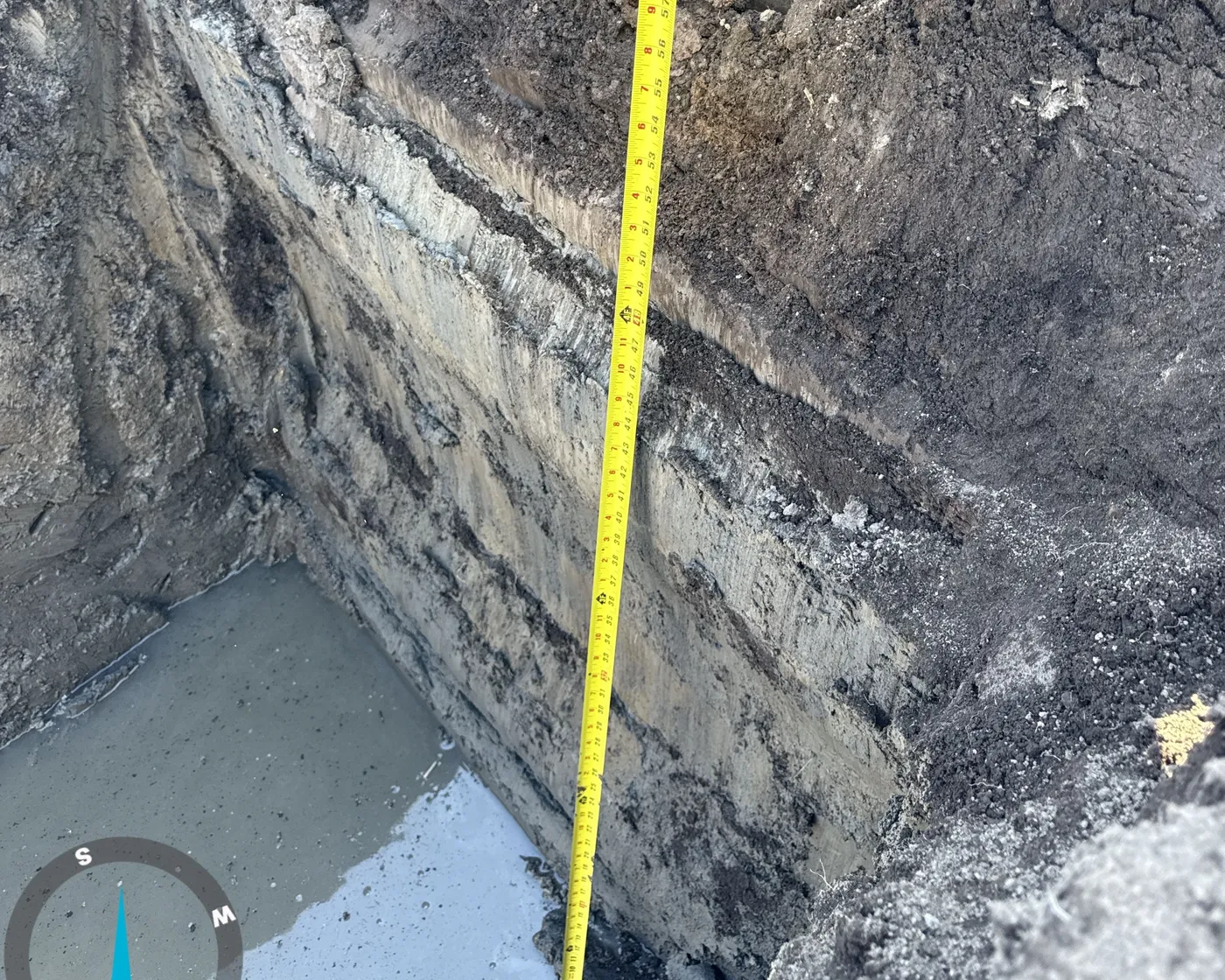
3. Field sampling and test pits. On site, we collect representative samples and dig or observe test pits to characterise the material directly, logging locations, depths, soil texture, structure, and field indicators, and photo-documenting the work for your regulatory file.
4. Laboratory analysis and interpretation. Samples go to an accredited laboratory. We coordinate the analysis and, more importantly, interpret it, translating laboratory numbers into a plain-language judgement on agricultural suitability against agronomic criteria such as texture, organic matter, and growing capability, and against the regulatory thresholds on your file.
5. A clear, signed determination. You receive a signed FQA report with an unambiguous conclusion, suitable, suitable with conditions, or not suitable, backed by the reasoning and evidence a regulator expects. Where conditions apply, such as blending or limiting placement, we spell them out.
Throughout, we describe observed site and drainage conditions qualitatively and explain their agricultural implications. We do not provide geotechnical, structural, or drainage engineering design, that is the work of a qualified engineer, and we say so plainly and coordinate with one where your project requires it. If a situation points toward a contaminated-sites investigation governed by other professionals, we tell you that too, rather than stretch our scope.
Why Titrin
Choosing who signs your Fill Quality Assessment matters. The conclusions have to hold up with the ALC, with municipal staff, and with anyone who later relies on the report.
- We know how the decision is read. Principal Tishtaar (Tish) Titina, P.Ag., M.Sc., brings more than a decade of experience spanning the Agricultural Land Commission and the City of Richmond. We know how a soil-deposit decision is read because we have sat on the other side of the file.
- Direct access to the P.Ag. You work with the Professional Agrologist who does the assessment and signs the report, not a hand-off to a junior. Every determination is one the principal stands behind.
- Full-cycle delivery. An FQA rarely sits in isolation. Titrin can connect it to farm plan work, ALC application support, and ongoing compliance, so your fill decision fits the larger plan for the land.
- Science-backed, honest scope. Our recommendations rest on field evidence and accredited laboratory data, and we are deliberate about the boundary of a Professional Agrologist’s practice, which is exactly what makes the report dependable.
Serving Richmond, the Fraser Valley, Vancouver Island, and the wider Metro Vancouver region, Titrin AgriSoil Solutions helps landowners, farmers, developers, and municipalities keep fill projects on a compliant, agriculturally sound footing. If you are planning to import soil or fill, or have been asked to prove what is already there meets an agricultural standard, a Fill Quality Assessment is the place to start. Book a consultation before the first load arrives.
Frequently asked questions
When do I need a Fill Quality Assessment?
What does a Fill Quality Assessment actually involve?
Can you sign off on fill before it is delivered to my site?
Do you test for contamination, or just whether soil will grow crops?
Is Titrin able to comment on drainage and engineering of the fill placement?
Related projects
Blueberry Development, Soil Oversight
Titrin served as agrologist-of-record (AOR) for soil-deposit oversight on a blueberry development in Richmond, BC, providing fill source-site review, on-site monitoring of the placed material, and a P.Ag.-stamped sign-off to the municipality. Tish Titina, P.Ag., remained the point of contact and the professional accountable for the file throughout.
View project →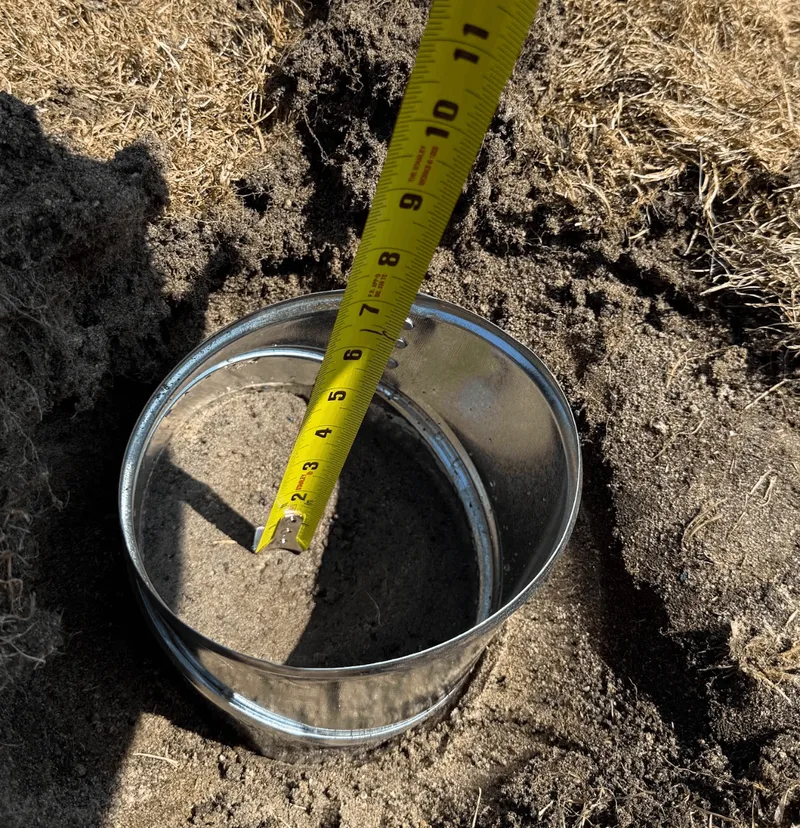
Riverview Baseball Park
Titrin provided independent agrologist services for the construction of new sports turf at Riverview Baseball Park, collecting and analysing soil and root-zone material and issuing stamped specifications under the seal of a Professional Agrologist. The work gave the City of Coquitlam third-party verification that the imported growing medium met the agronomic standard required for healthy, durable playing fields.
View project →
Dajue Nursery
Agronomic guidance for greenhouse development on low-pH peat soils, including a soil-improvement strategy and the supporting regulatory approvals to keep the project on agricultural land.
View project →