Blueberry Development, Soil Oversight
Richmond, BC · 2026
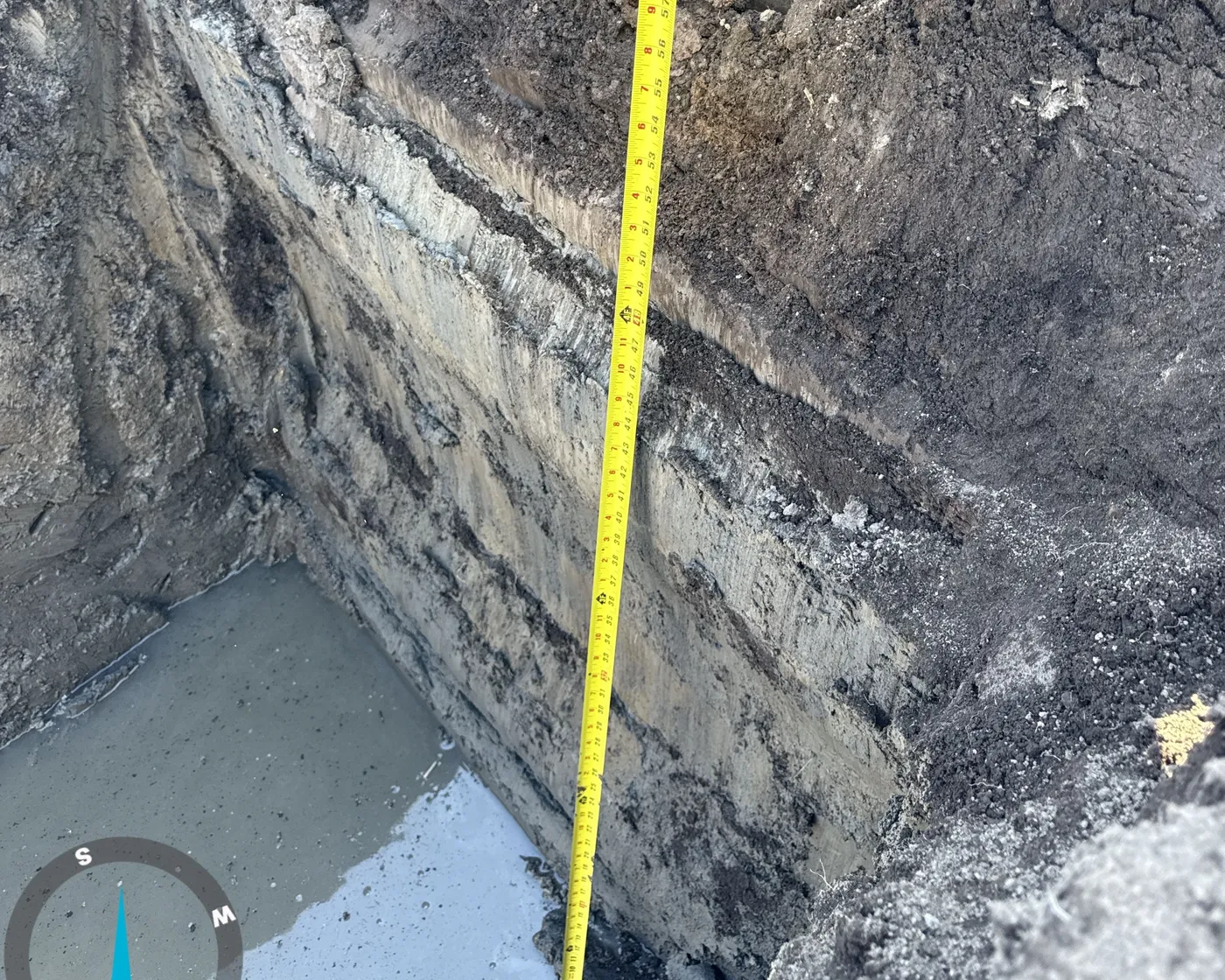
Our Role
Titrin served as agrologist-of-record (AOR) for soil-deposit oversight on a blueberry development in Richmond, BC, providing fill source-site review, on-site monitoring of the placed material, and a P.Ag.-stamped sign-off to the municipality. Tish Titina, P.Ag., remained the point of contact and the professional accountable for the file throughout.
Outcome
The soil-deposit work proceeded under documented agrologist oversight: the imported material was reviewed for agricultural suitability, and the file ran through to a stamped sign-off with the municipality. The owner came away with a record of how the fill was sourced, placed, and monitored, the kind that holds up if it's ever questioned.
Deliverables
- Fill source-site review for agricultural suitability
- On-site soil-deposit oversight and monitoring as agrologist-of-record (AOR)
- Monitoring records documenting placement and conditions
- P.Ag.-stamped sign-off submitted to the municipality
Soil Oversight for a Richmond Blueberry Development
Bringing fill onto agricultural land in the Agricultural Land Reserve is not just a matter of raising a grade, the imported soil has to genuinely support farming, and the receiving site needs a professional record that the material was suitable and properly placed. The landowner engaged Titrin as agrologist-of-record to provide that oversight and carry the file through to a stamped sign-off the City of Richmond would accept.
Titrin began upstream with a review of the fill source site, settling whether the material was appropriate for an agricultural receiving site before any soil moved. During placement, Tish Titina, P.Ag., monitored the deposit as agrologist-of-record and kept records of conditions and progress, then prepared the sign-off submitted to the municipality. Because the same P.Ag. reviewed the source, observed the work, and signed off, the documentation reflected the site as actually built, giving the landowner a clear, defensible record of how the fill was sourced, placed, and monitored.