September 7, 2026 · 4 min read
Your property is in the ALR. What does that actually mean?
The Agricultural Land Reserve is a provincial zone, not a label on your title. What it permits, what needs approval, and where your municipality's bylaws come in.
The ALR is a zone, not a note on your title
The Agricultural Land Reserve is a provincial designation that identifies land as agricultural and gives priority to farming on it. It dates to the 1970s and is administered by the Agricultural Land Commission, an independent provincial body, under the Agricultural Land Commission Act.
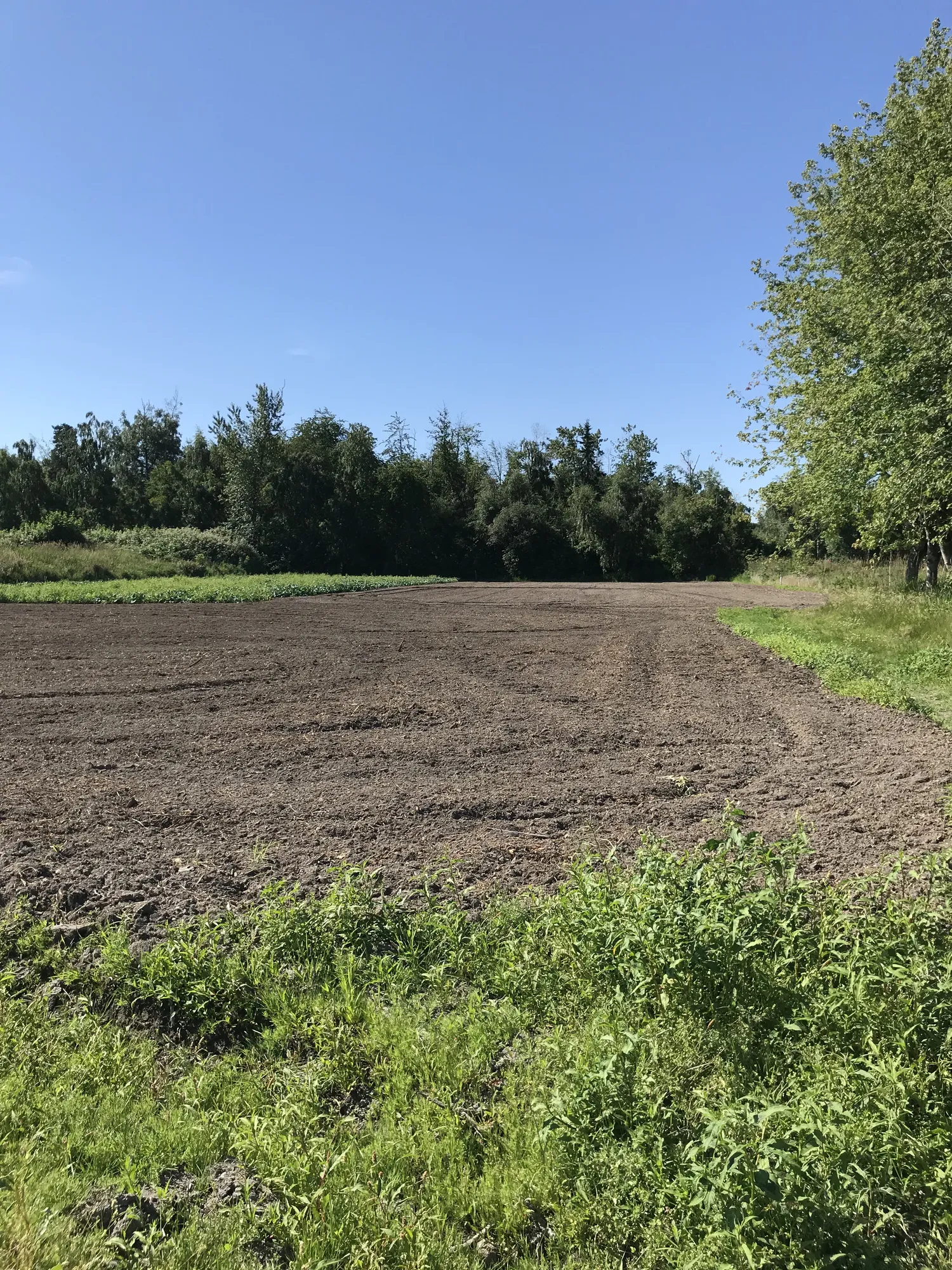
The first thing that surprises new owners is that the designation attaches to the land, not to what anyone is currently doing with it. A parcel can sit fallow for twenty years, or carry a house and a lawn and nothing more, and still be in the ALR. The present condition of the property does not change its status. The reverse holds too: taking land out means an exclusion application decided by the Commission, and an owner cannot file one directly. Exclusion applications may only be submitted by the Province, a local government, a First Nation government or another prescribed body, so the request has to be taken up by one of them first.
The second surprise is how you find out. The designation does not always announce itself in a title search, so the reliable check is the ALC’s ALR boundary mapping together with a call to your local government, which holds the mapping planners actually work from.
Farm use is the default, other uses are the exception
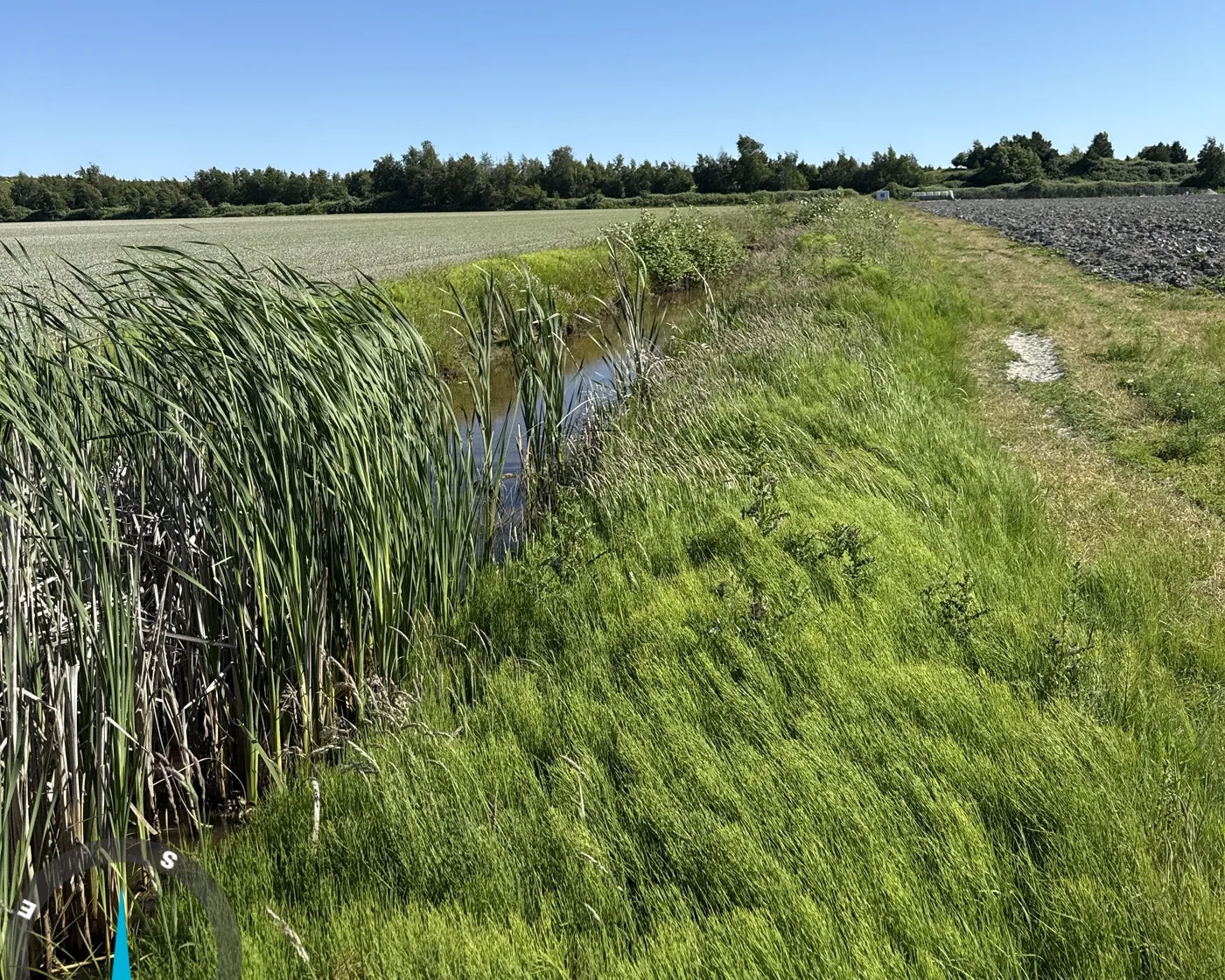
Inside the ALR the logic runs opposite to ordinary zoning. Farm use is permitted broadly. Everything else starts from the position that it is not permitted unless a regulation allows it or the Commission approves it. That one reversal explains most of what follows.
The regulations do allow a set of activities beyond growing crops and raising livestock outright, and the list is more generous than people expect: certain home occupations, some agri-tourism, particular kinds of processing and retail tied to what the farm itself produces. What the regulations do not leave is room for interpretation. A use either fits the wording or it needs an application. We walk through the application types in a separate post on ALC applications.
Housing runs on its own set of rules. Most ALR parcels are allowed one principal residence without going to the Commission, subject to a cap on floor area and a limit on how much fill may be brought in to build it. An additional residence is possible on many parcels, within size limits that scale with parcel size, and subject to whether your municipality permits it. Subdivision is the tightest of the three: most subdivision of ALR land requires ALC approval, with only narrow exceptions set out in regulation.
Two rule books apply at the same time
This is where owners most often go wrong. Being permitted under the ALR rules is necessary but not sufficient. Municipal zoning, building and soil bylaws apply on top, and a local government is entitled to be more restrictive than the province. Delta, Richmond, Surrey and Langley each handle fill and site alteration in their own way, and a project that clears the ALC test can still stop at a city hall counter. Where local zoning would allow something the ALR rules do not, Commission approval is still needed first.
Soil is the clearest case. Bringing fill onto ALR land, or removing soil from it, generally means notifying or applying to the Commission, and it usually means a municipal permit as well. Neither process substitutes for the other. Our post on bringing fill onto ALR land sets out where the two meet.
What ALR status does not decide
It does not give you farm class for property tax. That is a separate determination made by BC Assessment on evidence of production, with its own annual deadline, covered in our post on farm status.
It also says nothing about what your land can actually grow. Soil texture, drainage and depth vary sharply across the Lower Mainland, sometimes within a single parcel, and a land capability assessment is what answers that question. Owners who assume the designation implies good agricultural soil are often working from the wrong premise.
Where an agrologist comes in
Most ALR questions turn on agricultural reasoning rather than legal argument. The Commission and municipal staff want to know what a proposal does to the agricultural capability of the land, and they expect that case to come from someone qualified to make it. That is the work: reading the parcel, establishing what it can support, and putting a proposal in the terms the decision maker uses.
If you have just bought into the ALR, or you are weighing a project on land you have held for years, get in touch. A short conversation about the parcel is usually enough to tell you which of these processes you are in.