April 22, 2026 · 5 min read
ALC Applications Explained: NOI, Non-Farm Use, Subdivision & Exclusion
A plain-language guide to ALC application types, NOI, Non-Farm Use, Subdivision, and Exclusion, and how to tell which one your ALR property needs.
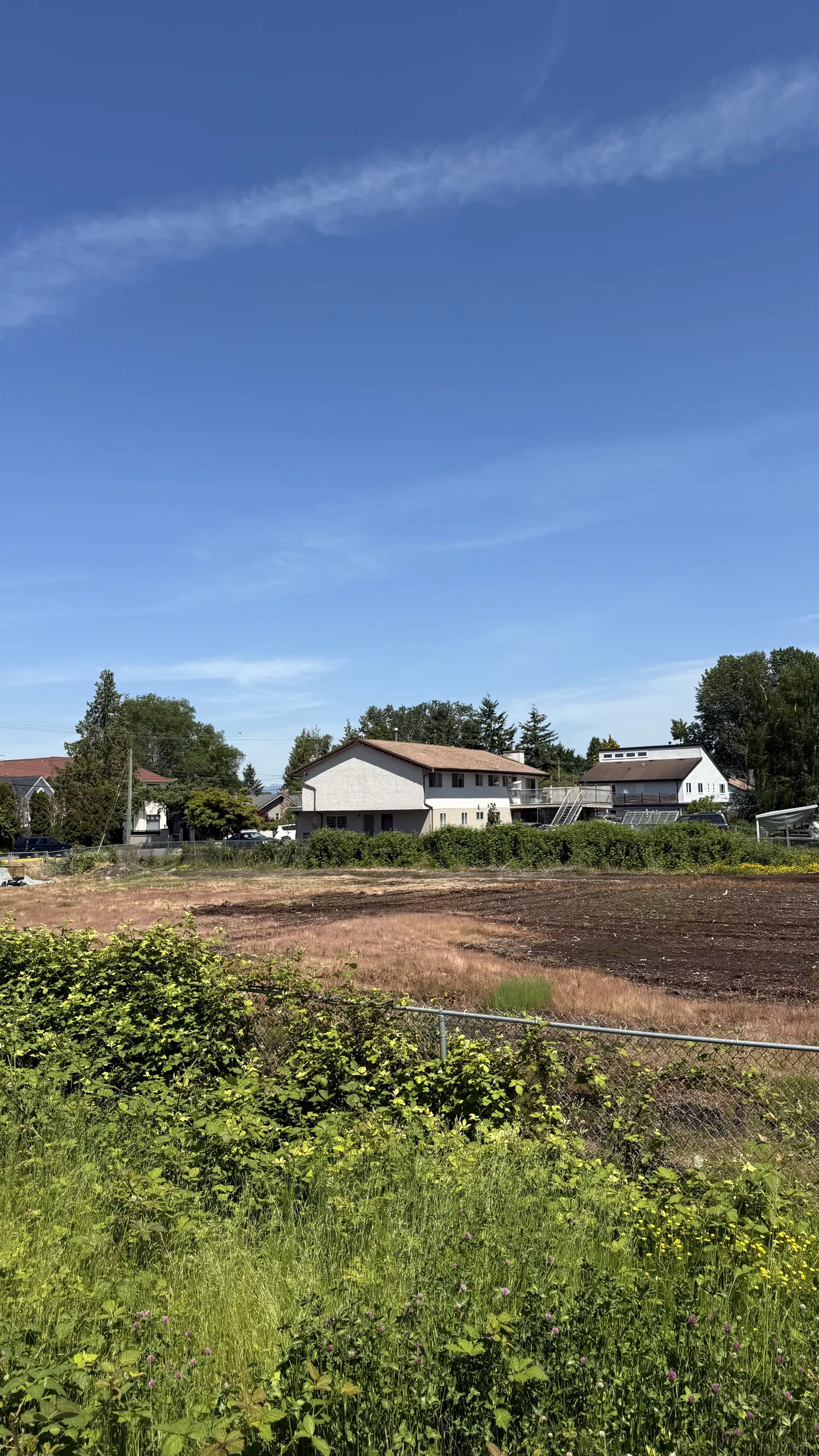
First, the lay of the land
If your property sits inside the Agricultural Land Reserve (ALR), it is protected for agriculture under British Columbia law, and most changes beyond ordinary farming need a decision from the Agricultural Land Commission (ALC). The ALC is the provincial body that administers the ALR across the Lower Mainland and the rest of the province.
The confusing part for most landowners is not whether the ALC is involved, it is which application applies. File the wrong type and you can lose months. So before anything else, the useful question is: what are you actually trying to do with the land? The answer points to one of a handful of distinct pathways.
This is a conceptual guide to those pathways. It will not turn you into your own consultant, ALC reviews are discretionary, and what satisfies the Commission depends heavily on your specific parcel, but it should help you recognise where your project fits.
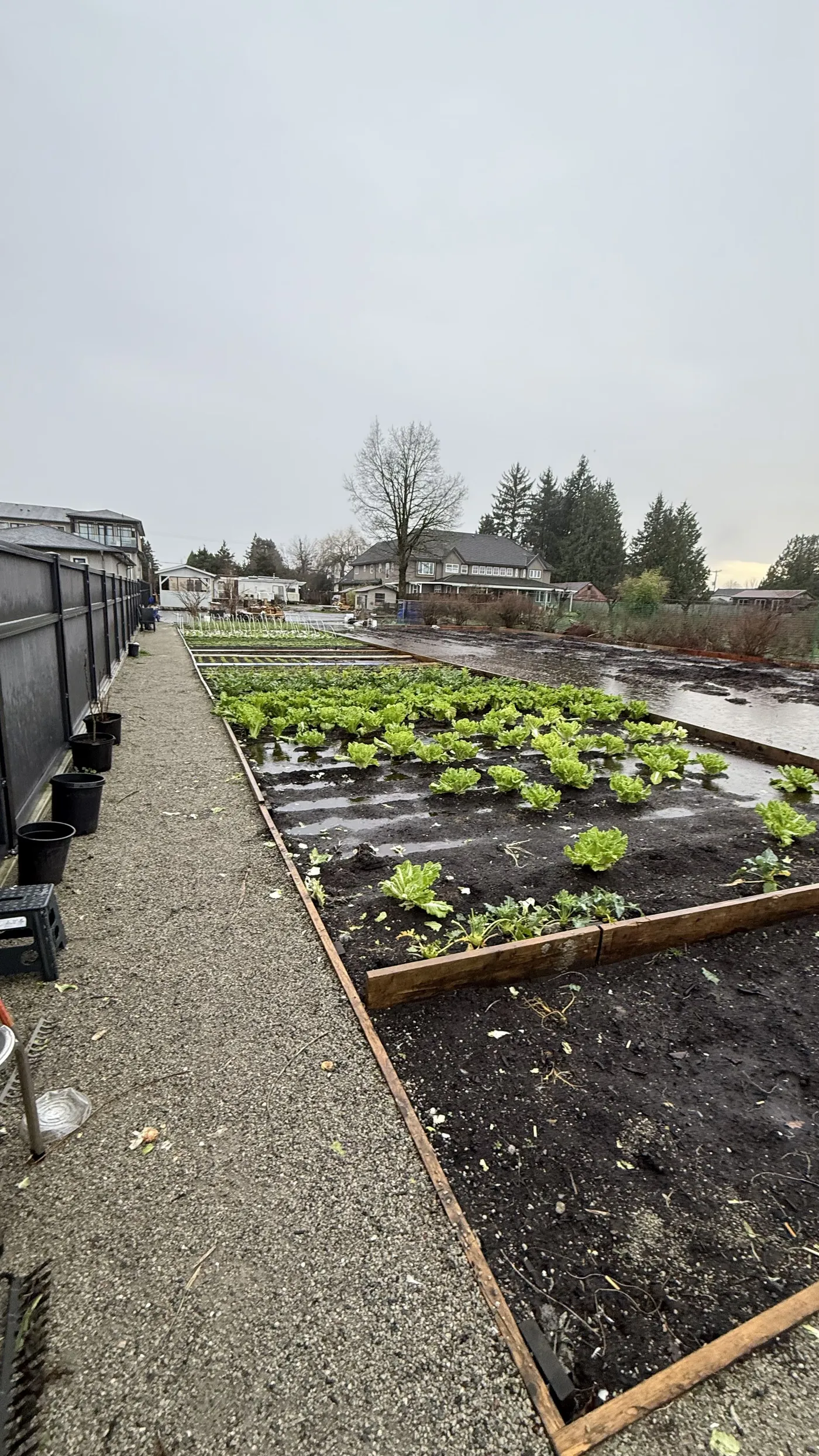
Notice of Intent (NOI): the lighter-touch pathway
A Notice of Intent is the streamlined option for certain defined, lower-impact activities, most commonly some soil and fill movement within set limits. It is a notification rather than a full discretionary application: you tell the Commission what you intend, and it may attach conditions, but it is not weighing your whole proposal against the agricultural interest from scratch.
People often assume an NOI is “the easy one” and reach for it by default. In practice, whether your soil or fill activity qualifies for an NOI, or tips over into a full application, depends on volumes, the nature of the material, and the state of the land. Getting that threshold wrong is one of the more common and expensive missteps in the ALR.
Non-Farm Use: doing something other than farming
If you want to run an activity on ALR land that is not farming, a business, a facility, a use the land would not ordinarily host, you are generally in Non-Farm Use territory. This is a full, discretionary application: the Commission weighs your proposal against the agricultural value of the parcel and the surrounding area.
This is where “non-farm use BC” searches usually land, and it covers a wide range, from a home occupation that outgrows its setting to a larger commercial or institutional proposal. The common thread is that the burden is on you to show the use is compatible with, or does not unduly compromise, the agricultural character of the land.
Subdivision: dividing an ALR parcel
Dividing land within the ALR, including boundary adjustments between parcels, typically needs Commission approval. The agricultural concern here is fragmentation: smaller parcels can be harder to farm viably, so the Commission looks closely at whether a subdivision serves a genuine agricultural purpose or simply chips away at the land base.
A subdivision application often travels alongside other considerations, such as a homesite severance or a farm-related rationale, which is part of why these files reward careful framing.
Exclusion: removing land from the ALR
Exclusion asks the Commission to take land out of the Reserve altogether. It is among the most demanding applications and carries a high bar, precisely because the entire point of the ALR is to keep agricultural land in agriculture. Successful exclusions are the exception, not the rule, and a thin or speculative case rarely gets far.
The thread running through all of them
Notice what every one of these pathways has in common: the form is the easy part. What actually moves a file is the agricultural rationale, a credible, evidence-backed explanation of what you propose, why it makes sense, and how the agricultural interest of the land is respected.
The Commission speaks the language of soil capability, current and historical use, and agricultural context. A submission that speaks that language, grounded in real site observation and, where soils matter, in field assessment, keeps a review moving. A submission that does not invites requests for more information, delay, or refusal. The difference is rarely the applicant’s intentions; it is the quality of the case.
Where a Professional Agrologist comes in
This is the point where a do-it-yourself read of the rules runs out of road. Confirming which application (if any) applies, building the agricultural rationale the Commission actually weighs, assembling a complete package, and coordinating with both the ALC and your local government, which usually comments on the file first, is the work of a Professional Agrologist (P.Ag.). It is also where guardrails matter: drainage and engineering design belong to a qualified engineer, and no honest consultant will guarantee a discretionary outcome.
At Titrin AgriSoil Solutions, we start with the land, not the paperwork. Drawing on more than a decade touching the ALC and the City of Richmond, we tell you early and honestly which pathway fits, including when the right answer is no application at all, and we build the case from there. We serve Richmond, Metro Vancouver, the Fraser Valley, and Vancouver Island.
If you are weighing an NOI, a Non-Farm Use, a Subdivision, or an Exclusion, or simply are not sure which one your situation calls for, reach out for a conversation before you file. A short, frank discussion up front is often what saves the most time and money down the line.