Environmental Site Assessment (Phase 1 ESA)
A records-based, non-intrusive Phase 1 ESA that identifies environmental concerns for due diligence, transactions, fill sourcing, and approvals.
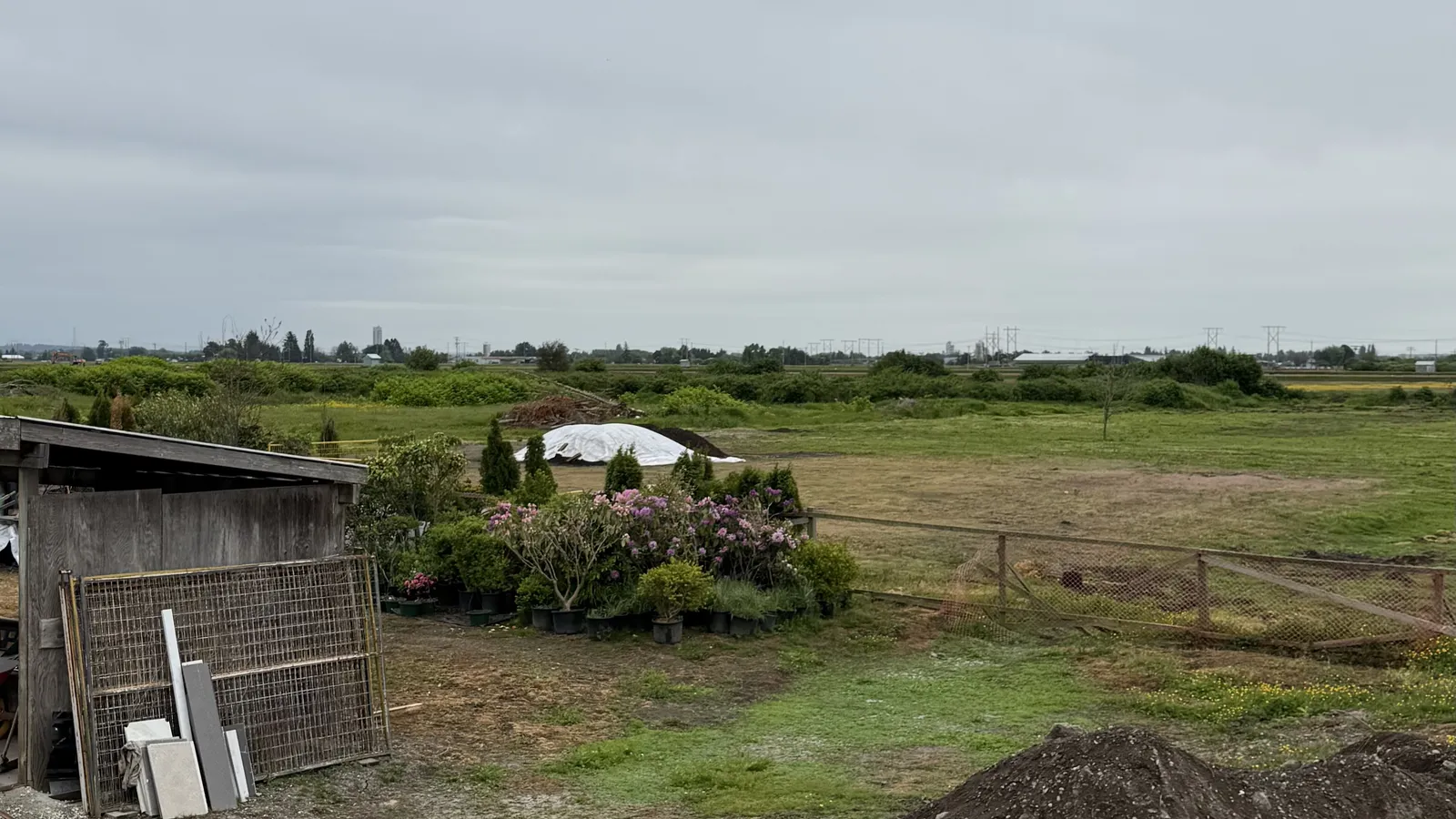
Before you buy, finance, develop, or accept fill, you often need to know whether a site carries environmental concerns. We prepare Phase 1 Environmental Site Assessments, records and historical review, aerial-photo review, a site walkover, and interviews, to flag Areas of Potential Environmental Concern and judge whether contamination is reasonably suspected. Each report follows recognized ESA standards and the BC Contaminated Sites Regulation context, signed by a Professional Agrologist.
What's included
- A signed Phase 1 Environmental Site Assessment report prepared consistent with recognized ESA standards and BC Contaminated Sites Regulation context
- Historical and current land-use review of the subject site and surrounding properties
- Records and regulatory-database review, including available government and municipal sources
- Historical aerial-photograph and mapping review to trace site changes over time
- Site reconnaissance documenting current conditions, storage, staining, and other field indicators
- Interviews with owners, occupants, or others knowledgeable about site history where available
- Identification and mapping of Areas of Potential Environmental Concern (APECs)
- A clear conclusion on whether contamination is reasonably suspected, with a recommendation on whether a Phase 2 (intrusive sampling) is warranted
- A photo-documented record and supporting figures suitable for due diligence, a transaction file, or a regulatory submission
What a Phase 1 ESA is
A Phase 1 Environmental Site Assessment is a non-intrusive, records-based review of a property’s environmental history and current condition. Its purpose is narrow but important: to establish whether there is reason to suspect that soil or groundwater on the site may be contaminated, based on how the land and its neighbours have been used over time.
A Phase 1 involves no drilling, excavation, or laboratory sampling. It draws together four lines of evidence, historical and current land-use review, records and regulatory-database searches, historical aerial photographs and mapping, and a site walkover, supported by interviews where knowledgeable people are available. From that evidence, Titrin identifies Areas of Potential Environmental Concern (APECs), locations or past activities that could have introduced contamination, and reaches a clear professional conclusion.
What that conclusion means matters. A Phase 1 establishes whether contamination is reasonably suspected. It does not certify a site clean or replace laboratory testing. Where APECs are identified, the report recommends a Phase 2 ESA, intrusive sampling and analysis, to investigate them directly. A Phase 1 that finds no concerns means the review turned up no reason to suspect contamination; it is not a guarantee.
Titrin prepares Phase 1 ESAs consistent with recognized assessment standards and within the context of British Columbia’s Contaminated Sites Regulation, so the report fits the expectations of buyers, lenders, and regulators across the province.
When you need one
A Phase 1 ESA is the standard environmental first step in a range of situations across Metro Vancouver, the Fraser Valley, and Vancouver Island:
- Development due diligence. A Phase 1 surfaces environmental liabilities tied to a site’s past use before you commit, so a contamination problem does not become your problem after closing.
- Property transactions and financing. Buyers, lenders, and insurers frequently require a Phase 1 before a deal proceeds, often as a condition of financing on commercial, industrial, or agricultural property.
- Fill-source verification. Before accepting imported soil or fill, reviewing the history of the source property helps flag whether past activity raises contamination concerns, a useful companion to assessing the material itself.
- Regulatory submissions. A rezoning, subdivision, or development application may call for a screening-level assessment, particularly where the site or its surroundings have an industrial, commercial, or intensive agricultural history.
- Sites with a flagged past. Former fuel storage, vehicle or equipment servicing, chemical handling, agricultural-chemical use, or proximity to such activities are common triggers.
The common thread is risk transfer. Contamination is far cheaper to identify before you buy, finance, or build than to inherit afterward. A Phase 1 is modest insurance against a much larger, more disruptive cost.
How Titrin approaches a Phase 1 ESA
Our process produces a defensible report that the people relying on it, a buyer, a lender, a municipality, the Agricultural Land Commission, will accept, without overstating what a screening assessment can conclude.
1. Scope and objectives. We confirm why the assessment is needed, a transaction, an application, fill sourcing, or general due diligence, and define the subject site and surrounding area to be reviewed, keeping the work proportionate to the decision it supports.
2. Records and historical review. We compile the site’s land-use history and review available government, municipal, and regulatory records alongside historical aerial photographs and mapping. Tracing how a property and its neighbours changed over the decades is often where the most telling evidence emerges.
3. Site reconnaissance. We walk the site to document current conditions, chemical or fuel storage, staining, fill, distressed vegetation, drainage, and other field indicators, and photo-document the visit for the record.
4. Interviews. Where owners, occupants, or others knowledgeable about the site’s history are available, we interview them to corroborate the documentary record and fill gaps the paperwork leaves open.
5. Findings and recommendation. We synthesise the evidence, identify and map any Areas of Potential Environmental Concern, and reach a clear conclusion on whether contamination is reasonably suspected. Where APECs are present, the report recommends a Phase 2 with intrusive sampling. You receive a signed, plain-language report you can act on.
As a Professional Agrologist practice, we are deliberate about the boundary of our scope. Drainage and site conditions are described qualitatively, for what they indicate about potential concerns; we do not provide geotechnical, hydrogeological, or engineering design. Where a file points toward intrusive investigation, remediation, or specialist input governed by other professionals, we say so plainly and help you bring in the right expertise, rather than stretch a screening assessment beyond what it can support.
Why Titrin
Who prepares your Phase 1 matters, because the report is relied on by people making consequential decisions about the property.
- Read the way a reviewer reads it. Titrin is led by Tishtaar (Tish) Titina, P.Ag., M.Sc., a Professional Agrologist registered with the BC Institute of Agrologists, with more than a decade of experience spanning the Agricultural Land Commission and the City of Richmond. We know how an environmental review is read because we have sat on the review side of the file.
- Direct access to the P.Ag. You work with the professional who does the assessment and stands behind the conclusions, not a hand-off to a junior file holder.
- Full-cycle delivery. A Phase 1 rarely travels alone. Titrin can connect it to fill quality assessment, ALC application support, environmental management plans, and ongoing compliance, so your due diligence fits the larger plan for the land.
- Science-backed and honest about scope. Our conclusions rest on documented evidence and sound professional judgment, and we are precise about what a Phase 1 can and cannot establish. That discipline is what makes the report dependable when someone leans on it.
Serving Richmond, the Fraser Valley, Vancouver Island, and the wider Metro Vancouver region, Titrin AgriSoil Solutions helps landowners, developers, buyers, and municipalities understand a site’s environmental history before they transact, finance, or build. If you need a Phase 1 ESA, or are unsure whether your situation calls for one, book a consultation.