Environmental Management & Assessment
Construction Environmental Management Plans, EIA/ESA-DP support, erosion and sediment control, and Phase 1 ESA, with R.P.Bio. partners where needed.
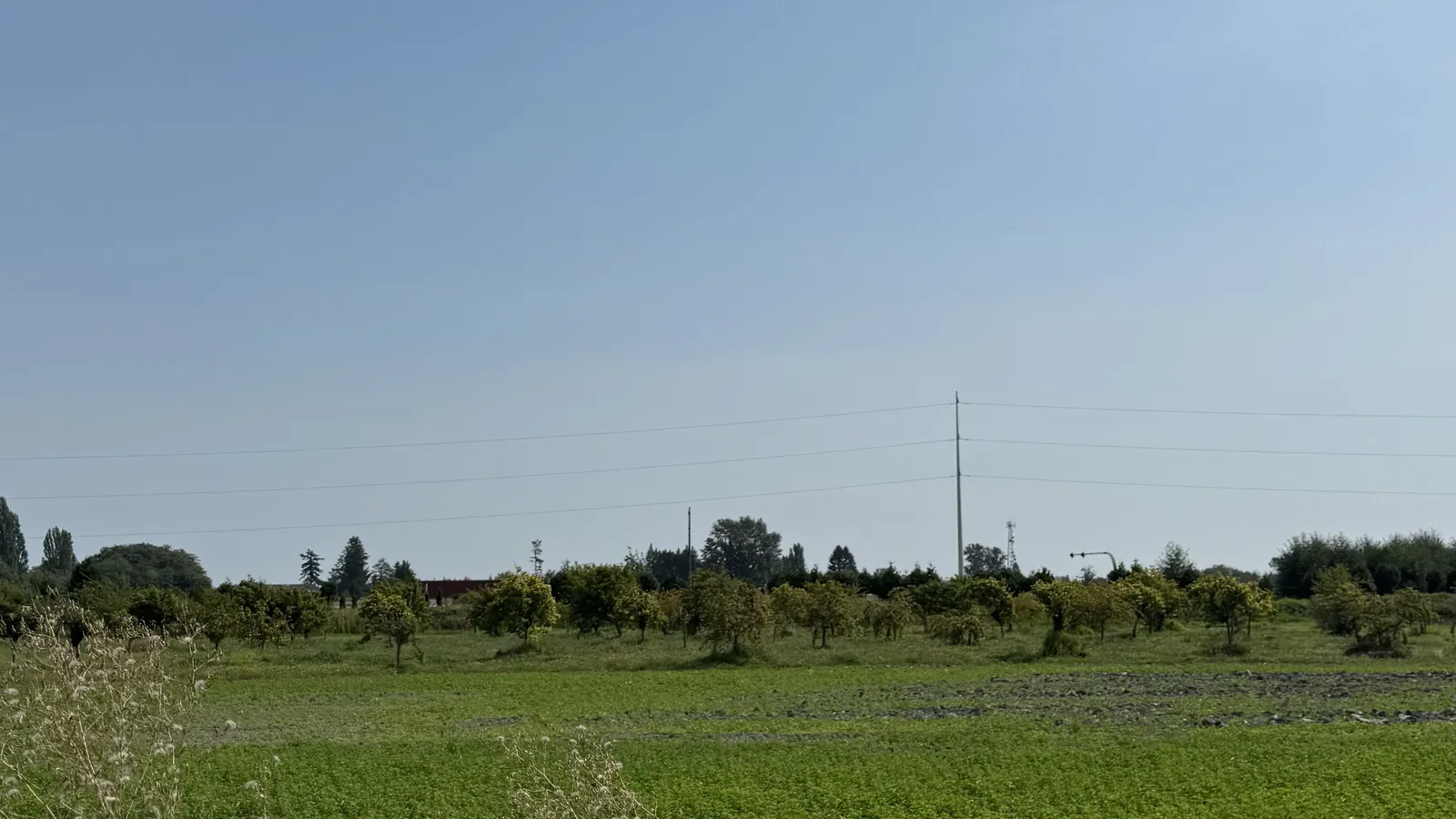
Environmental approvals and management plans that get through ALC and municipal review without the back-and-forth. We prepare Construction Environmental Management Plans (CEMP), agricultural mitigation plans, Environmental Impact Assessment and ESA Development Permit support, Erosion & Sediment Control plans, and Phase 1 ESAs, bringing in R.P.Bio. partners where a file needs biology or riparian expertise. For landowners, farmers, and developers across the Lower Mainland and Vancouver Island.
What's included
- Construction Environmental Management Plans (CEMP) with site-specific protection measures and monitoring framework
- Agricultural mitigation plans for projects affecting ALR land or soil resources
- Environmental Impact Assessment (EIA) and ESA Development Permit (ESA-DP) support, with R.P.Bio. partners for biology and riparian components
- Erosion & Sediment Control (ESC) plans aligned to municipal and ALC expectations
- Phase 1 Environmental Site Assessment (records review, site reconnaissance, and findings report)
- Agricultural site plans and supporting figures for permit submissions
- Traffic Management Plans (TMP) to accompany soil and construction works
- Certificate of Registration / Soil Deposit and Removal (CoR/SDR) soil applications
- P.Ag.-stamped memos and letters supporting your environmental approvals
What environmental management and assessment covers
Development on or near agricultural and environmentally sensitive land in British Columbia rarely turns on the building itself. It turns on the conditions around it, how soil is handled, how sediment is kept out of ditches and watercourses, how the project affects the farm or ecosystem next door, and whether the work is documented well enough for a regulator to approve. This service brings those requirements together into clear, defensible plans and assessments that move your file forward instead of stalling it.
Titrin AgriSoil Solutions prepares the environmental documents that municipalities and the Agricultural Land Commission require as conditions of approval, including:
- Construction Environmental Management Plans (CEMP), the on-the-ground playbook for managing environmental risk during construction.
- Agricultural mitigation plans, for projects touching the Agricultural Land Reserve (ALR) or disturbing productive soil, setting out how impacts to the agricultural resource are avoided, reduced, or offset.
- Environmental Impact Assessment (EIA) and Environmentally Sensitive Area Development Permit (ESA-DP) support, the technical backbone for developing within or beside a mapped sensitive area.
- Erosion & Sediment Control (ESC) plans, practical control measures and monitoring to keep soil on site and out of watercourses.
- Phase 1 Environmental Site Assessment, a records-based and site-reconnaissance review to identify potential contamination concerns before you transact, finance, or build.
Where a file needs biology or riparian expertise, fish habitat, vegetation communities, or species at risk, that work is delivered with our trusted Registered Professional Biologist (R.P.Bio.) partners, so the assessment carries the right professional sign-off.
When you need it
You typically need one or more of these documents when a permit, rezoning, subdivision, or ALC application comes back with environmental conditions attached. Common triggers in Metro Vancouver, the Fraser Valley, and on Vancouver Island:
- Ground-disturbing work within or adjacent to the ALR, where the municipality or ALC wants assurance the agricultural resource is protected.
- Development inside a mapped Environmentally Sensitive Area, which usually requires an ESA Development Permit supported by an environmental assessment.
- Work near a watercourse, on sloping ground, or over a large footprint, where an erosion and sediment control plan becomes a permit condition.
- Soil deposit or removal works requiring a CEMP and supporting plans before the City or the Commission releases approval.
- A property transaction or financing arrangement calling for a Phase 1 ESA to establish baseline environmental conditions.
Getting the right document in front of the right reviewer, at the right level of detail, is what keeps a project on schedule.
How Titrin approaches it
Our work is grounded in field observation and professional judgment, not boilerplate. As a Professional Agrologist practice, we assess soils and observe site and drainage conditions through site visits and test pits, then describe what those conditions mean for the agricultural resource and for managing the work. Drainage is characterised qualitatively, observed conditions and their agricultural implications, and where a project requires structural, geotechnical, or detailed drainage design, that work is carried out by a qualified engineer. We coordinate with that engineering team so the environmental side of your file stays consistent with the technical design.
Every plan is built to be implemented, not just filed. A Titrin CEMP sets out the limits of work, soil-handling and stockpile measures, erosion and sediment controls, spill response, and a monitoring framework a contractor can follow on site and a reviewer can hold them to. Assessments are scoped to the question the regulator is asking, so you do not pay for investigation you do not need, and are not caught short when more is required.
Because the environmental file rarely travels alone, we also provide the supporting deliverables that keep a submission moving as one package: agricultural site plans and figures, Traffic Management Plans (TMP) for soil and construction traffic, and Certificate of Registration / Soil Deposit and Removal (CoR/SDR) soil applications. One coordinated submission means fewer rounds of revision and fewer gaps for a reviewer to flag.
Why Titrin
Titrin is led by Tishtaar (Tish) Titina, P.Ag., M.Sc., a Professional Agrologist registered with the BC Institute of Agrologists, with more than a decade of experience spanning the Agricultural Land Commission and the City of Richmond. That perspective is the difference: we have sat on the review side, so we know what makes an environmental submission credible and what makes one come back with conditions.
- We’ve sat on the review side. Plans and assessments anticipate the questions an ALC or municipal reviewer will ask, so your file reads as complete the first time.
- Full-cycle delivery. We support a project from assessment through permitting, construction-phase environmental management, and compliance, one consistent team across the whole arc, not a hand-off between disconnected consultants.
- Direct access to the P.Ag. The professional who assesses your site is the one who signs the work and stands behind it. You are not handed off to a junior file holder.
- Science-backed and honest about scope. Recommendations rest on real field evidence and sound agrology. Where a file needs engineering or biology, we say so plainly and bring in qualified engineers and R.P.Bio. partners, the right professional on every part of the work.
If your project on agricultural or environmentally sensitive land in Metro Vancouver, the Fraser Valley, or on Vancouver Island needs a CEMP, an environmental impact assessment, an erosion and sediment control plan, or a Phase 1 ESA, we can scope it and tell you exactly what your approval requires. Book a consultation to get started.
Frequently asked questions
When do I need a CEMP, and who is it for?
What is the difference between an EIA and an ESA Development Permit submission?
Does Titrin design the drainage or do the engineering?
What does a Phase 1 ESA tell me, and will it require more work?
Do you handle the erosion and sediment control plan as well?
Related projects
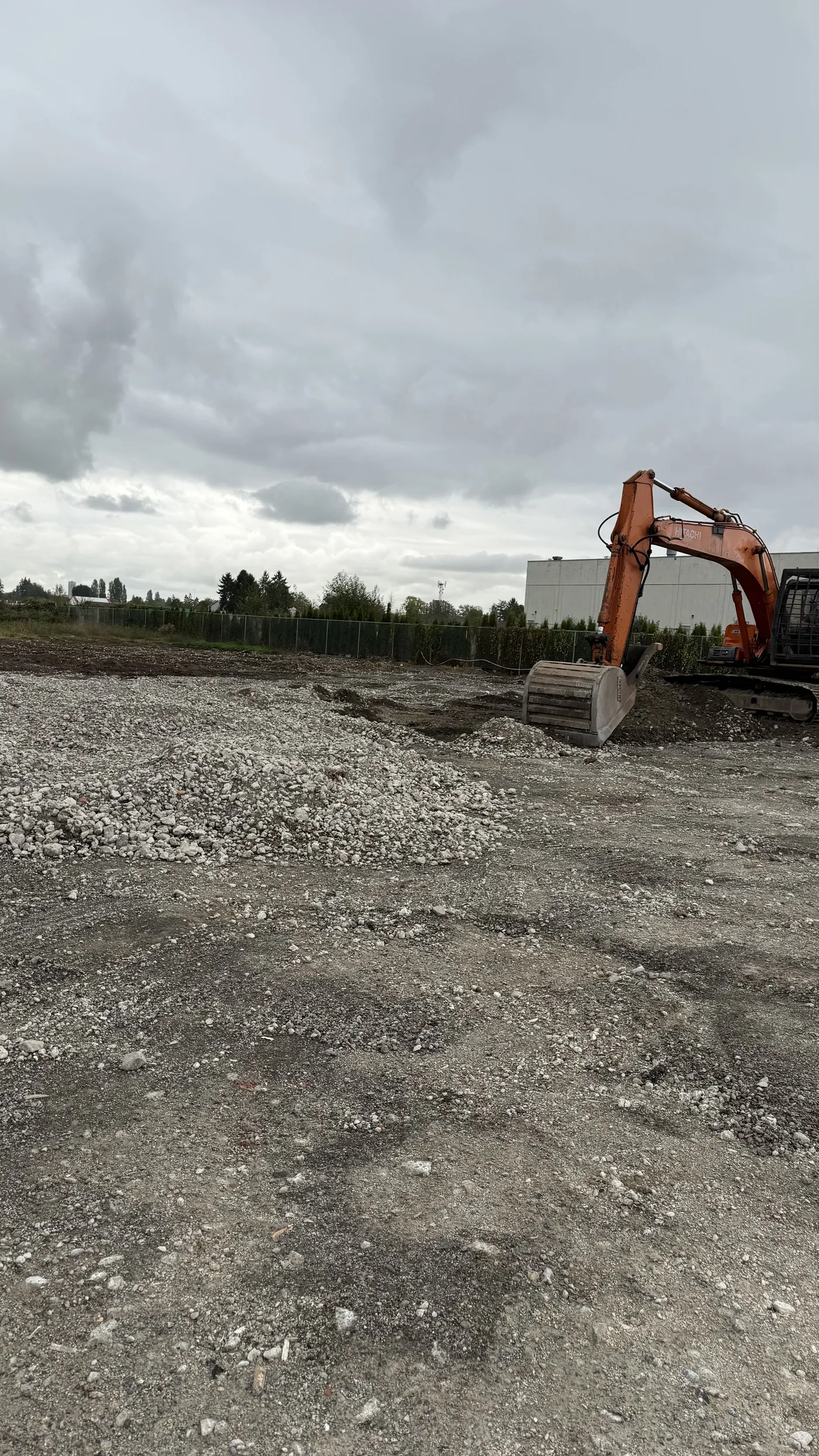
Development Adjacent to the ALR
Titrin led the environmental permitting package for a development bordering the Agricultural Land Reserve, preparing the Construction Environmental Management Plan (CEMP) and Environmental Impact Assessment and coordinating environmental compensation modelling for submission to the municipality. We acted as the lead consultant and primary point of contact, working alongside environmental biologist partners and the City through review.
View project →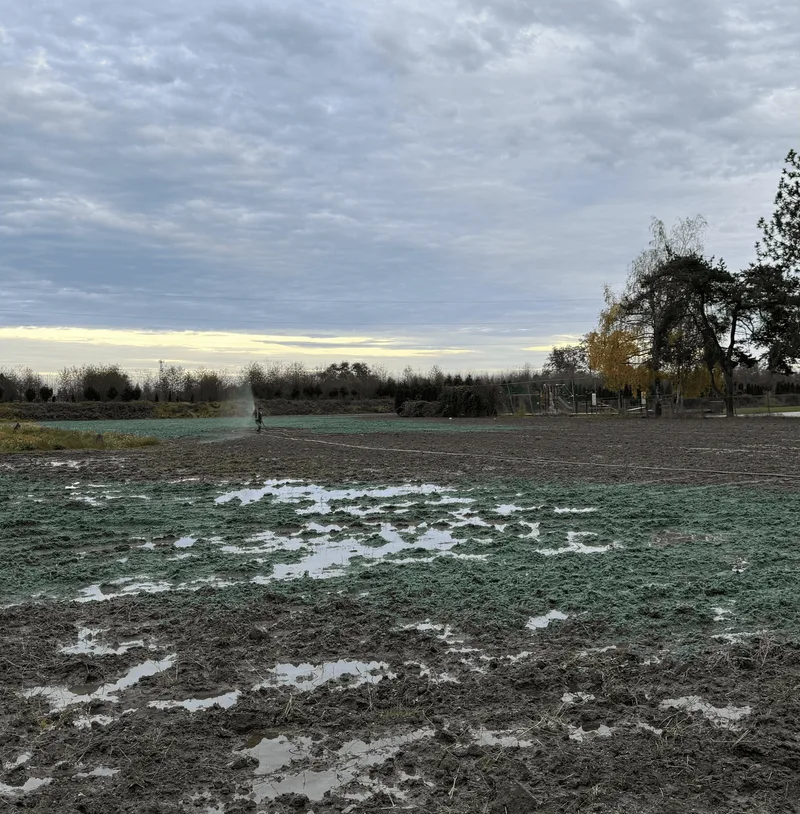
LingYen Mountain Temple
Titrin provided professional agrologist oversight of soil remediation on Agricultural Land Reserve farmland in Richmond, BC, directing the corrective work, completing site inspection, and preparing the closure report the municipality required to close out the file.
View project →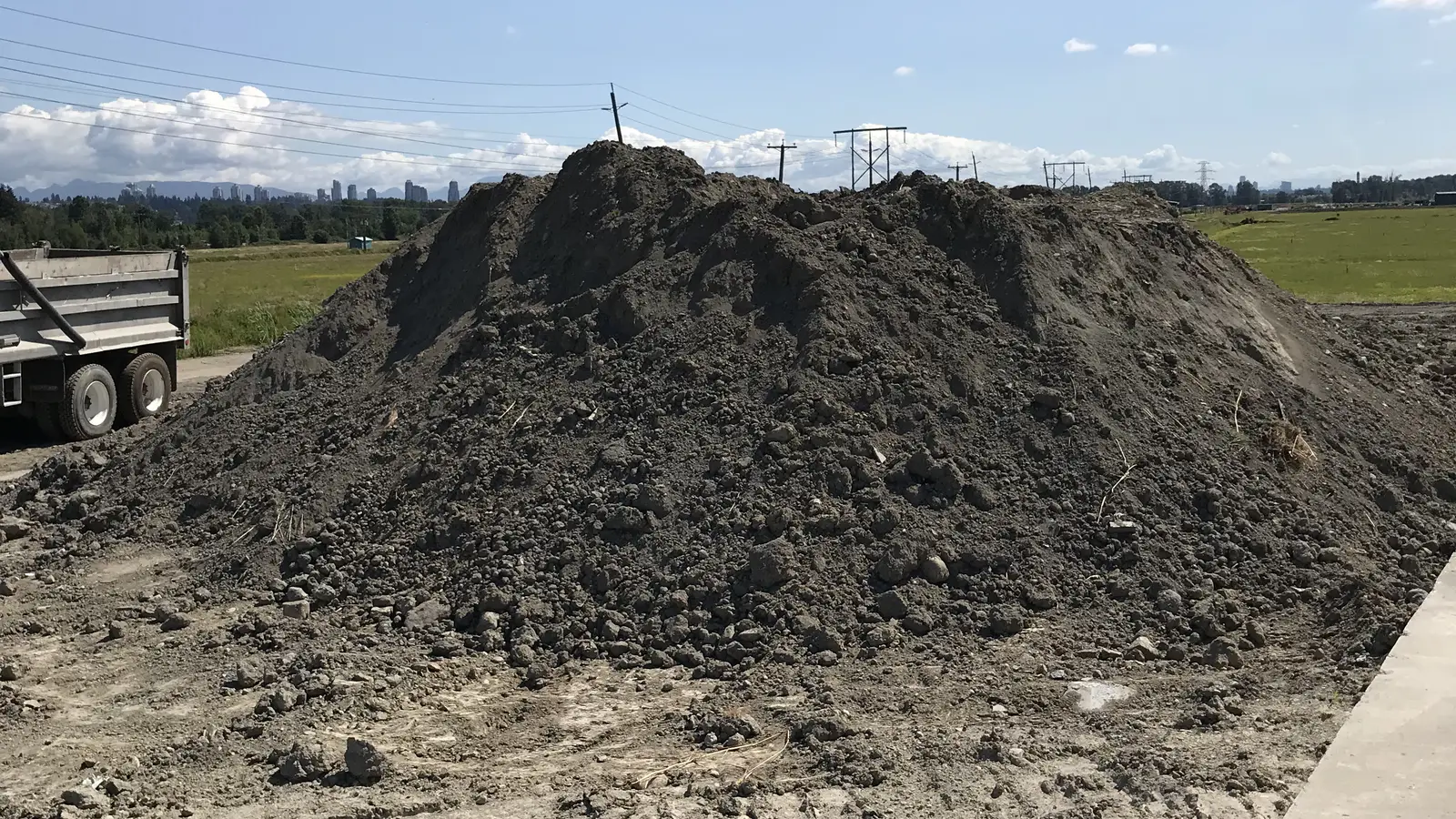
River Road, Rezoning & Soil Deposit
Titrin acted as the lead agrology and land-use consultant on a combined rezoning and soil-deposit application, coordinating the technical and regulatory work across multiple stakeholders. The Principal Agrologist, P.Ag., remained directly involved on the file from initial site review through to the submission package.
View project →