April 8, 2026 · 5 min read
What Does a Phase 1 Environmental Site Assessment Cover?
What a Phase 1 Environmental Site Assessment covers in BC: records review, site reconnaissance, APECs, when you need one, and what it can't tell you.
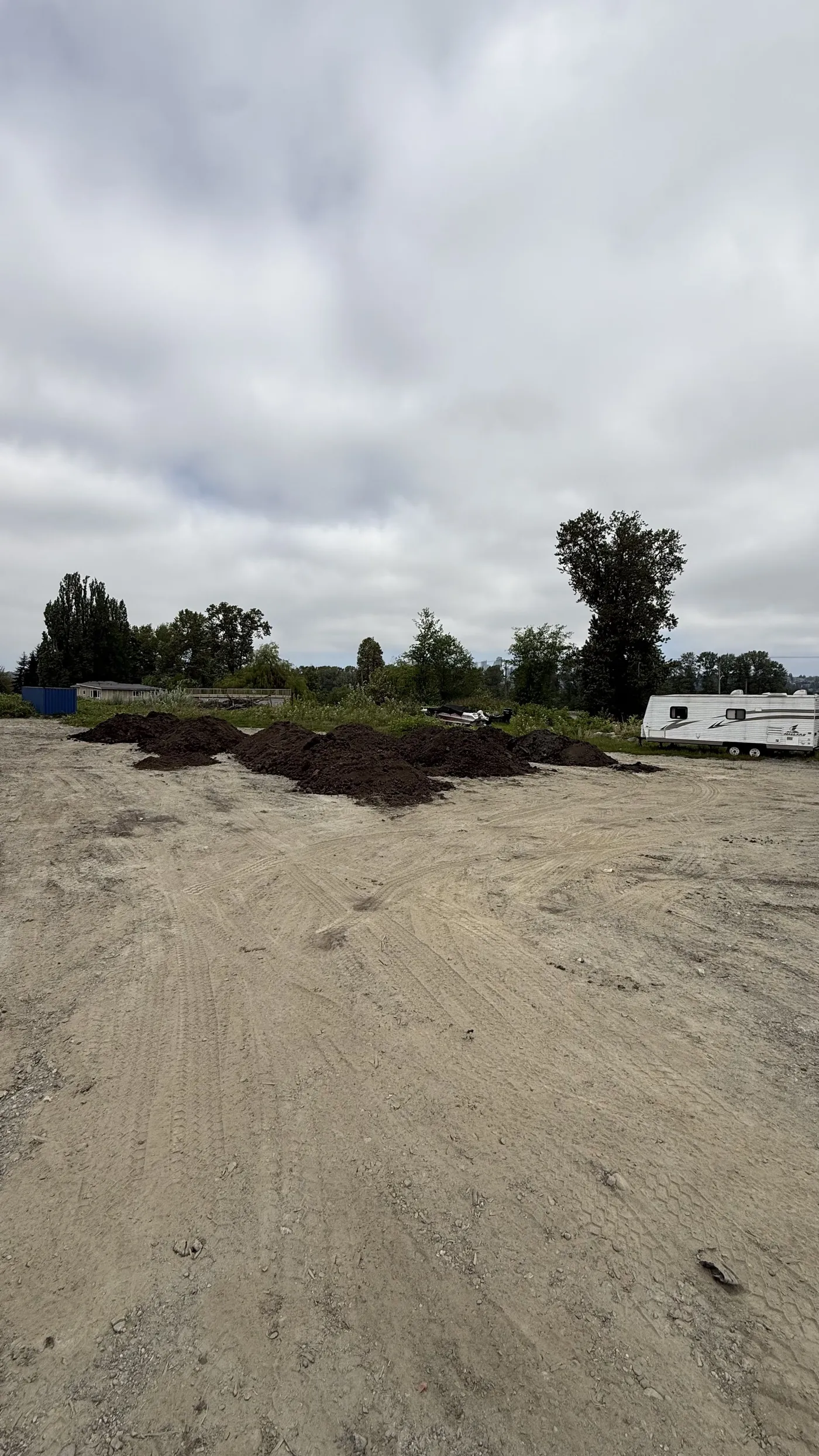
A screening review, not a clean bill of health
If you are buying, financing, developing, or accepting fill on a property in British Columbia, the phrase “Phase 1 ESA” tends to surface fast, usually from a lender, a lawyer, a municipality, or the Agricultural Land Commission (ALC). It is one of the most common environmental documents in a real-estate or development file, and one of the most widely misunderstood.
A Phase 1 Environmental Site Assessment is a non-intrusive, records-based review of a property’s environmental history and current condition. Its job is narrow but valuable: to establish whether there is reason to suspect that soil or groundwater on the site may be contaminated, based on how the land, and its neighbours, have been used over time.
The key word is suspect. A Phase 1 involves no drilling, no excavation, and no laboratory sampling. It does not certify that a site is clean. It tells you whether the history and condition of a property raise red flags worth investigating further.
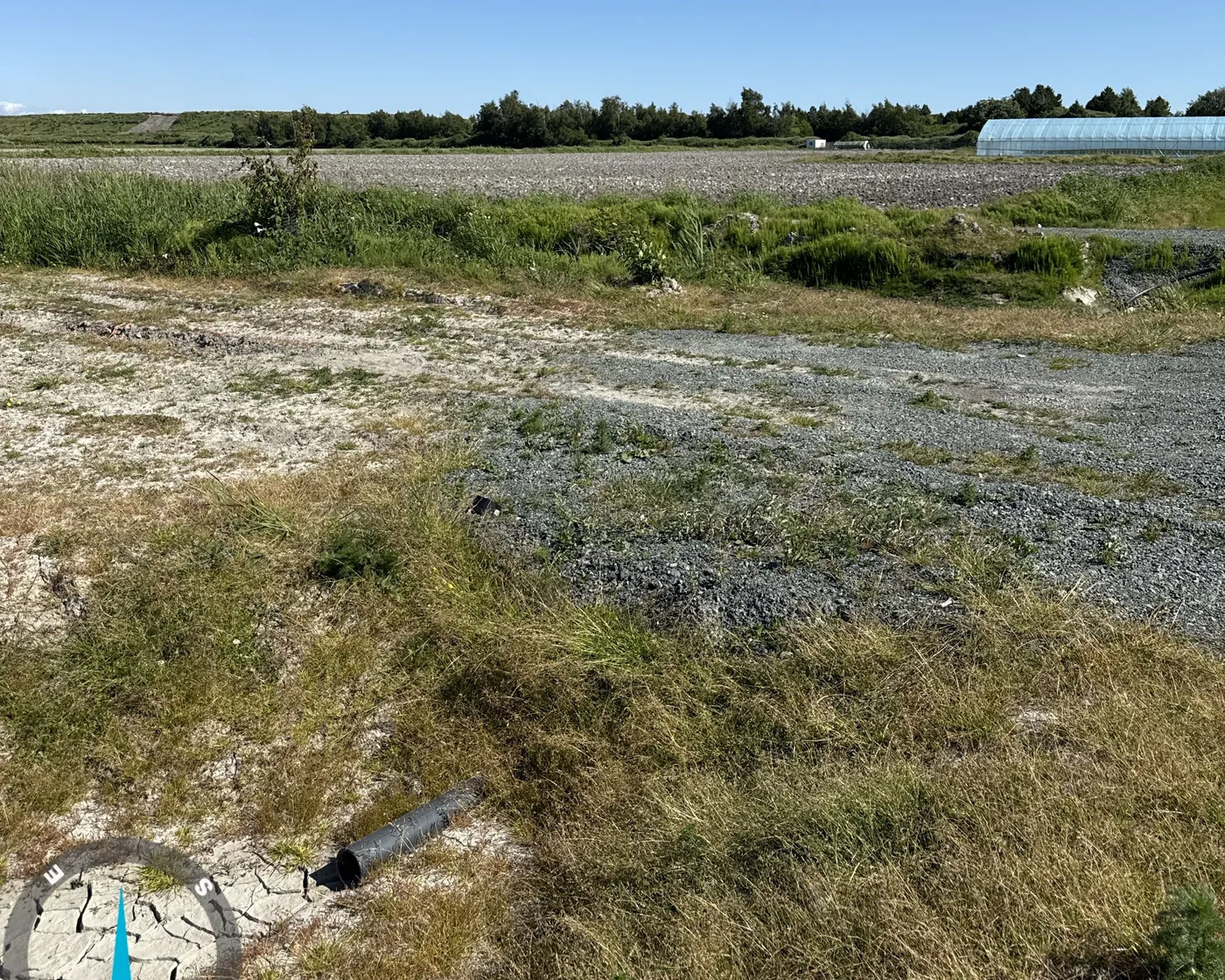
What a Phase 1 ESA actually covers
A credible Phase 1 draws together several independent lines of evidence and weighs them against one another. In broad terms, it covers:
- Historical and current land-use review. Tracing how the subject site and surrounding properties have been used, often over many decades, to spot past activities that could have introduced contamination.
- Records and regulatory-database review. Searching available government, municipal, and provincial records for anything on file about the property or its area.
- Historical aerial-photograph and mapping review. Old air photos are a quiet workhorse of any good assessment, they reveal vanished buildings, tanks, ponds, and fill that no longer show on the ground.
- Site reconnaissance. A physical walkover documenting current conditions: chemical or fuel storage, staining, distressed vegetation, drainage, imported fill, and other field indicators, all photo-documented.
- Interviews. Speaking with owners, occupants, or others who know the site’s history, to corroborate the paper record and fill the gaps that documents leave open.
From that evidence, the assessor identifies Areas of Potential Environmental Concern (APECs), specific locations or past activities that could have affected soil or groundwater, and reaches a professional conclusion on whether contamination is reasonably suspected.
In British Columbia, a Phase 1 is prepared in the context of the provincial Contaminated Sites Regulation and consistent with recognized assessment standards, so the report fits what lenders, insurers, and regulators across the Lower Mainland expect to see.
When you need one
A Phase 1 ESA is the standard environmental first step in several situations common across Richmond, the Fraser Valley, and the wider Metro Vancouver region:
- Development due diligence. It surfaces environmental liabilities tied to a site’s past before you commit, so a previous owner’s problem does not quietly become yours after closing.
- Property transactions and financing. Buyers, lenders, and insurers frequently require one before a deal proceeds, particularly on commercial, industrial, or agricultural property.
- Fill-source verification. Before accepting imported soil onto your land, reviewing the history of the source property helps flag whether its past use raises contamination concerns.
- Regulatory submissions. A rezoning, subdivision, or development application, or an ALC or municipal request, may call for a screening-level review, especially where the site has an industrial, commercial, or intensive agricultural past.
- Sites with a flagged history. Former fuel storage, vehicle or equipment servicing, chemical handling, agricultural-chemical use, or simply being next door to such activity are common triggers.
The common thread is risk transfer. Contamination is far cheaper to identify before you buy, finance, or build than to inherit afterward. A Phase 1 is modest insurance against a much larger, more disruptive cost.
What a Phase 1 can’t tell you
This is where many landowners are caught out. A clean Phase 1 means the review turned up no reason to suspect contamination, not a guarantee that the soil is clean. Because there is no sampling, a Phase 1 cannot confirm what is or isn’t in the ground.
Where the assessment identifies APECs, it recommends a Phase 2 ESA: intrusive sampling and laboratory analysis to investigate those specific areas and determine whether contamination is actually present, and at what levels. Identifying an APEC is not a finding of contamination, it flags where a closer look is warranted before you rely on the site.
Any report that claims to certify a site clean on the strength of a Phase 1 alone should be treated with caution.
How it connects to fill and ALR work
On Agricultural Land Reserve (ALR) land, a Phase 1 and a Fill Quality Assessment answer different questions and often work as a pair. A Phase 1 reviews the history of a property, say, a proposed fill source, to flag whether past use raises contamination concerns. A Fill Quality Assessment then characterises the material itself against agronomic and soil-deposit criteria. Reviewing source history and material quality together gives you the strongest defensible position before fill ever reaches your land.
Where Titrin comes in
Knowing what a Phase 1 covers is one thing; producing a report that a lender, a municipality, or the ALC will accept, without overstating what a screening assessment can conclude, is another. That depends on professional judgment, knowing how reviewers read a file, and being precise about scope. As a Professional Agrologist practice, we describe drainage and site conditions qualitatively and refer geotechnical, hydrogeological, and engineering design to the appropriate qualified professional, rather than stretch an assessment beyond what it can support.
Titrin AgriSoil Solutions is led by a Professional Agrologist (P.Ag.) registered with the BC Institute of Agrologists, with over a decade of experience spanning the Agricultural Land Commission and the City of Richmond, so your report is informed by the regulator’s perspective. Serving Richmond, the Fraser Valley, Vancouver Island, and Metro Vancouver, we help landowners, developers, and buyers understand a site’s environmental history before they transact, finance, or build.
If you need a Phase 1 ESA, or simply aren’t sure whether your situation calls for one, get in touch with Titrin for a straightforward conversation about your property and the right next step.