Soil & Fill Source Siting
Source, vet, and document clean fill from verified sites, matched to the receiving land and approved for ALC and municipal soil deposit and removal.
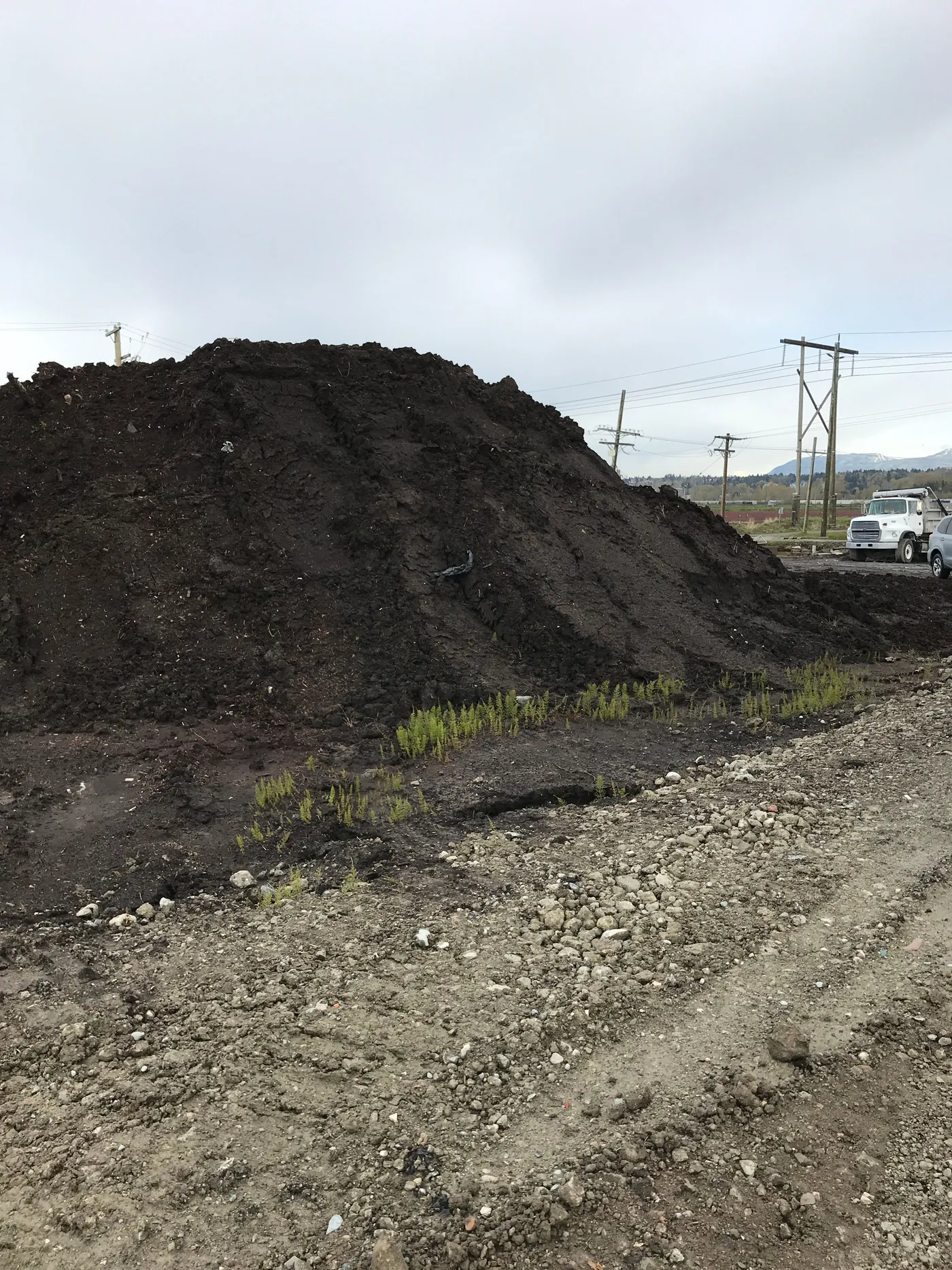
Moving soil onto or off ALR land works only when the material is clean, the source is verified, and the paper trail holds up. We help landowners, developers, and contractors find and vet clean source sites, match the fill to the receiving land, and document the chain from source to placement. We also prepare the ALC and municipal soil deposit and removal approvals, so every load stays defensible.
What's included
- Identification and vetting of clean fill source sites, screened for land-use history and agricultural suitability before any material is committed
- Source-site soil review with field observation and test pits, characterising texture, organic matter, and growing suitability
- Fill-to-receiving-site matching, so imported material suits the soils and intended agricultural use of the placement parcel
- Documented source-to-placement chain of custody, source location, volumes, hauling, and placement keyed to your regulatory file
- Coordination of accredited laboratory analysis and plain-language interpretation against agronomic and soil-deposit criteria
- ALC and municipal soil deposit and removal application support, including Notice of Intent and Soil or Fill Use pathways
- A clear accept / blend / reject recommendation on each candidate source, with the reasoning a regulator expects to see
- Qualitative notes on observed site and drainage conditions and their agricultural implications
- Photo-documented field record and source log suitable for the ALC or municipal file, and a natural hand-off to placement monitoring
What soil and fill source siting is
Most fill problems start not when soil is dumped, but when nobody checked where it came from. Source siting is that check, done properly: legitimately sourcing, importing, and exporting soil so the right material, from a verified source, ends up placed to an agricultural standard.
In practice it means identifying and vetting clean source sites, reviewing source-site soil quality, matching the material to the receiving land, documenting the chain of custody from source to placement, and securing the Agricultural Land Commission (ALC) and municipal approvals that soil deposit and removal require. It is the front-end discipline that keeps a fill project defensible, distinct from, but closely tied to, the laboratory-driven Fill Quality Assessment that proves a specific material out.
On Agricultural Land Reserve (ALR) land, and on properties carrying municipal soil-deposit or removal conditions, your material’s source is no longer a private matter. The ALC and local governments across Metro Vancouver and the Fraser Valley increasingly expect documented evidence, from a qualified professional, of where fill came from, that it is agriculturally suitable, and that it was tracked to where it was placed. Source siting builds that record before the trucks roll, not after.
When you need it
Source siting is worth doing whenever soil moves onto or off regulated land, and especially before you commit to a source. Consider it when:
- You are importing fill onto an ALR parcel or farmland and want to confirm the material and its source before hauling, not after it is spread.
- A municipality has attached soil-deposit, grading, or removal conditions to your permit, or is enforcing a soil-deposit bylaw.
- You have been offered fill from an outside source, a neighbouring development, a borrow area, a contractor’s surplus, and need to know whether it suits your land before accepting it.
- You are exporting soil off your own property, such as stripping topsoil during site preparation, and need to document and approve the removal.
- You want a defensible source-to-placement record because a regulator, lender, or future buyer may ask where your fill came from.
The common thread is risk and reversibility. Once unsuitable material is placed, graded, and buried under later lifts, undoing it is expensive and disruptive. Verifying and documenting the source up front is the cheapest insurance on the project.
How Titrin approaches it
Our approach keeps fill movement compliant and well-documented, without overstating what a Professional Agrologist can speak to.
1. Scope and regulatory framing. We start with your property, the volumes and direction of the soil movement, the intended agricultural use of the receiving land, and the exact ALC or municipal conditions that apply. That framing determines what we look for in a source and what the documentation must demonstrate.
2. Source identification and vetting. We help identify and screen candidate source sites, land-use history and the material on offer, so you are working from a credible, clean source rather than an unknown one. Where past land use raises questions, a Phase 1 Environmental Site Assessment on the source is a natural companion: a historical and records review with site reconnaissance that screens for concerns and recommends further investigation where warranted, rather than certifying a site clean.
3. Source-site soil review and matching. On the source site we observe conditions and dig or examine test pits to characterise the material directly, texture, organic matter, structure, and field indicators of suitability. We then match it to the receiving land, so what arrives suits the soils and intended agricultural use of the placement parcel rather than simply filling a hole. Where a clearer determination is needed, we coordinate accredited laboratory analysis and interpret it against agronomic and soil-deposit criteria.
4. Chain of custody. We document the source-to-placement trail, source location, volumes, hauling, and placement, keyed to your regulatory file and supported by a photo record and source log. That is what lets you show credibly that known material came from a known place and went where it was supposed to.
5. ALC and municipal approvals. We prepare and coordinate the soil deposit and removal approvals your project needs, from a Notice of Intent through a full Soil or Fill Use application, working both the ALC and your local government so the agricultural rationale and municipal conditions line up.
Throughout, we describe observed site and drainage conditions qualitatively and explain their agricultural implications. We do not provide geotechnical, structural, or drainage engineering design, that is the work of a qualified engineer, and we say so plainly and coordinate with one where your project requires it. The siting work also hands off cleanly to placement monitoring, so the material is verified not just at the source but as it goes down.
Why Titrin
Who stands behind your source documentation matters, because it has to hold up with the ALC, with municipal staff, and with anyone who later relies on it.
- We’ve worked that side of the file. Principal Tishtaar (Tish) Titina, P.Ag., M.Sc., brings more than a decade of experience spanning the Agricultural Land Commission and the City of Richmond. We know how a soil deposit or removal decision is read because we have worked on that side of the file.
- Direct access to the P.Ag. You work with the Professional Agrologist who reviews the source, makes the recommendation, and signs the documentation, not a hand-off to a junior after the pitch.
- Full-cycle delivery. Source siting rarely sits alone. Titrin can connect it to a Fill Quality Assessment, ALC application support, placement monitoring, and ongoing compliance, so your fill decision fits the larger plan for the land and nothing falls through the gaps between separate consultants.
- Science-backed, honest scope. Our recommendations rest on field evidence and, where needed, accredited laboratory data, and we are deliberate about the boundary of a Professional Agrologist’s practice, which is exactly what makes the record dependable.
Serving Richmond, the Fraser Valley, Vancouver Island, and the wider Metro Vancouver region, Titrin AgriSoil Solutions helps landowners, developers, and contractors source and place soil and fill on a compliant, agriculturally sound footing. If you are bringing material in, sending it out, or simply want to know your source will stand up to scrutiny, source siting is the place to start. Book a consultation before you commit to a source.