River Road, Rezoning & Soil Deposit
Richmond, BC · 2024
Our Role
Titrin acted as the lead agrology and land-use consultant on a combined rezoning and soil-deposit application, coordinating the technical and regulatory work across multiple stakeholders. The Principal Agrologist, P.Ag., remained directly involved on the file from initial site review through to the submission package.
Outcome
The application package addressed the site's environmental sensitivities and squared the proposal with provincial and municipal requirements, a credible, well-documented basis for the landowner to take through approvals.
Deliverables
- Site assessment characterising soils and the environmentally sensitive features influencing the proposal
- Review of the applicable riparian setback and road allowance as land-use constraints, to define buildable and depositable areas
- Soil-deposit and fill management approach consistent with the site's constraints
- Rezoning and soil-deposit application package prepared for submission to the City of Richmond
- Multi-stakeholder coordination across the landowner, regulators, and project consultants
River Road, Rezoning & Soil Deposit
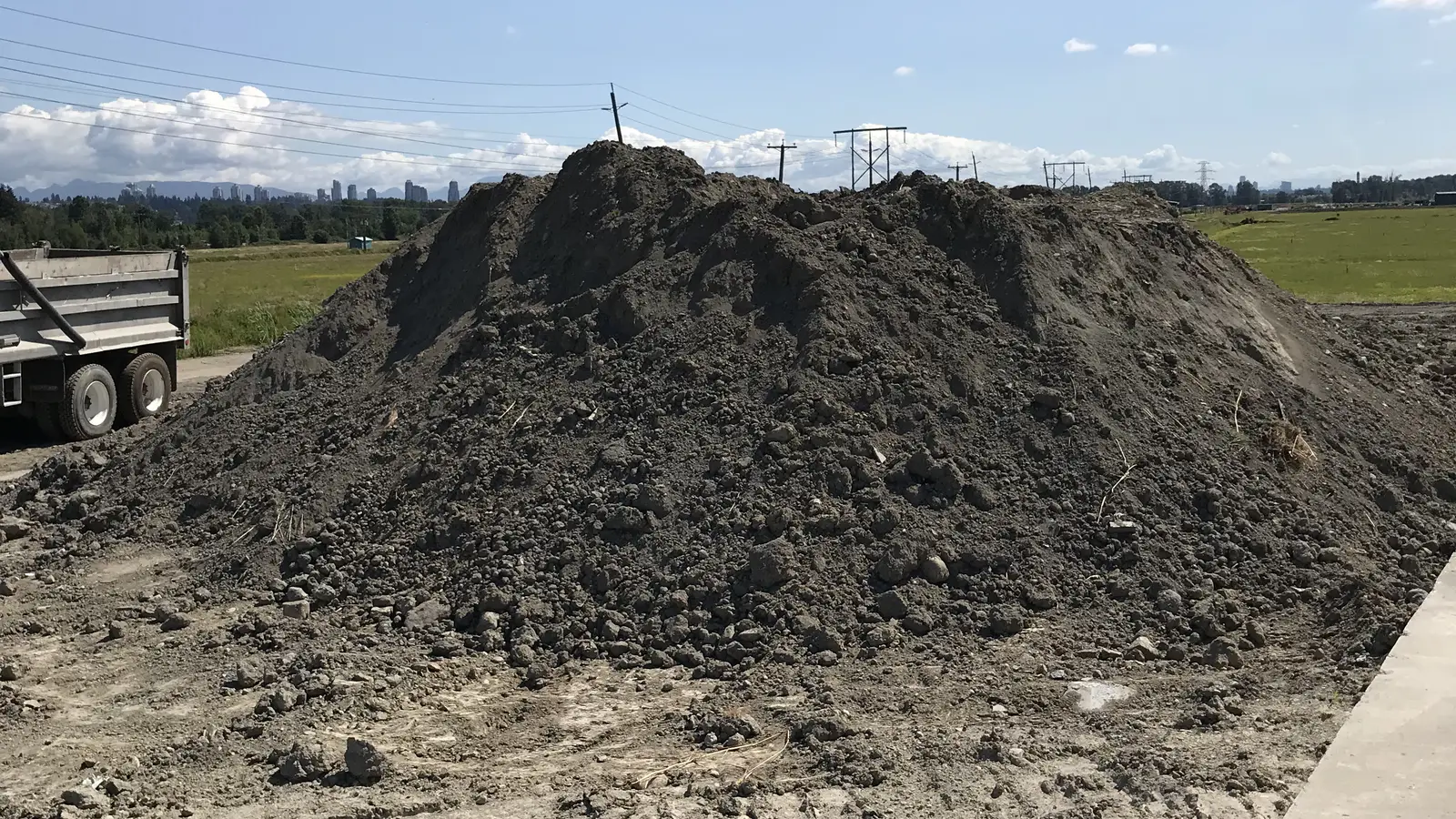
A Richmond, BC landowner needed to advance a combined rezoning and soil-deposit proposal on an environmentally sensitive site, with a nearby watercourse and a road allowance crossing the property placing the file at the intersection of provincial land-use rules, municipal zoning, and riparian protection.
Titrin led the agrology and land-use work: a site assessment characterising the soils and sensitive features, a review of riparian setbacks and the road allowance to define where development and soil deposit could responsibly occur, and a soil-deposit and fill approach built around those constraints. Titrin then assembled the rezoning and soil-deposit application package for submission to the City of Richmond, coordinating across the landowner, municipal staff, and other consultants to keep the environmental, soils, and land-use narrative consistent. Years working alongside the Agricultural Land Commission and municipal reviewers helped anticipate the questions and gave the landowner a clear, well-supported path through approvals.