October 26, 2026 · 4 min read
What does an agrologist do, and when do you actually need one?
Agrologists are regulated land and soil professionals in BC. What the work covers, what it does not, and the ALC and Richmond rules that call for one.

The short answer
An agrologist is a scientist who works on land, soil and agriculture, and in British Columbia the profession is regulated. The British Columbia Institute of Agrologists (BCIA) is the regulatory body under the Professional Governance Act, and “professional agrologist” is a reserved title. Only people registered with the Institute may use it, which is what the P.Ag. after a name tells you.
Most landowners meet an agrologist for the first time when a city or the Agricultural Land Commission asks for a report they have never heard of. Knowing what the profession covers makes that request easier to read.

What counts as agrology
The Agrologists Regulation defines the practice broadly. It covers advice and services grounded in agricultural or natural science that relate to growing crops and raising animals, to classifying, managing and conserving the land and ecosystems that support that production, and to restoring, reclaiming or remediating land.
Some of that work is reserved. Where the advice needs an agrologist’s knowledge to protect public health, safety and the environment, it has to come from a registrant or be done under one’s supervision.
The regulation also draws a line worth knowing. A farmer following normal farm practices on their own land is not practising agrology. You do not need a professional to farm your farm. You need one when someone else has to rely on a professional opinion about the land.
What the work looks like on the ground
In the Lower Mainland, most agrology for private landowners falls into a few kinds of work:
- Soil and land assessment. Test pits, soil descriptions and a rating of the land’s capability for agriculture, which is what a land capability assessment reports.
- Farm plans. A written plan for how a property will be farmed and what the land can support. Our farm plans page covers when one helps.
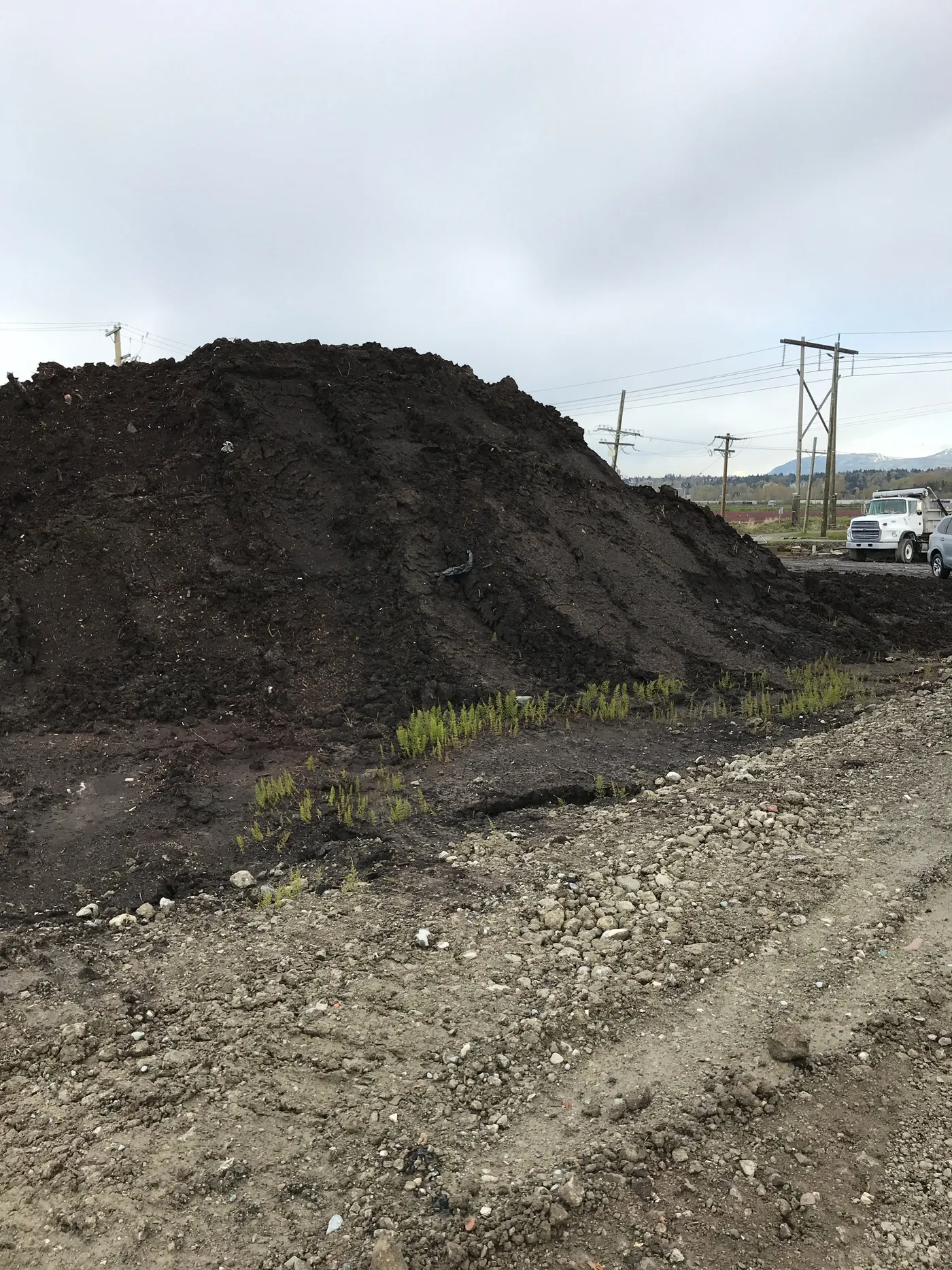
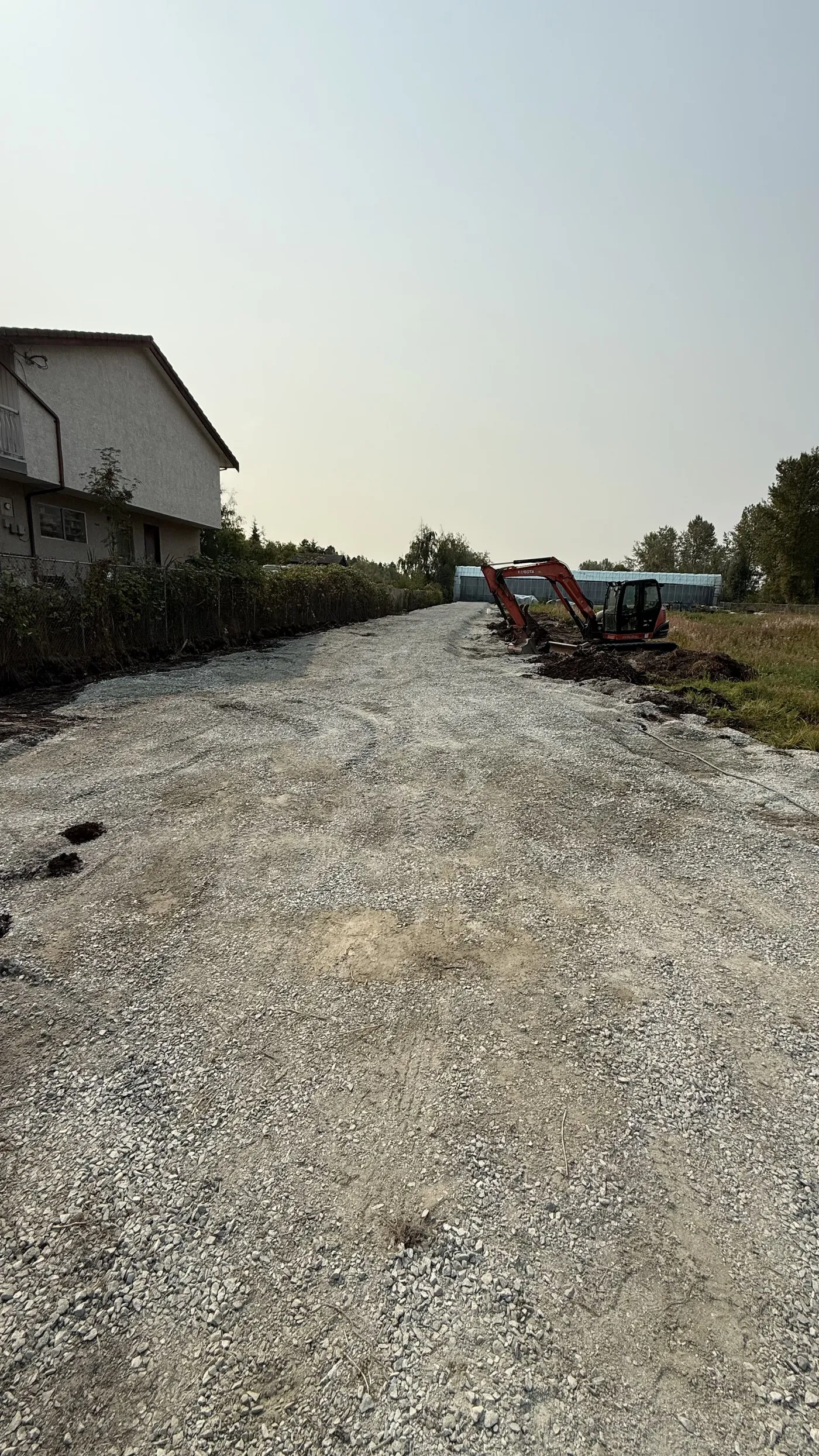
- Soil and fill. Reviewing fill before it arrives, reporting for permits, and overseeing the work as it happens as the agrologist of record.
- Applications to the ALC. Supporting reports for ALC applications and notices of intent.
- Reclamation and closure. Plans to return land to a farmable condition, and the reports that close a file.
When you actually need one
Usually the trigger is a rule, not a preference. Three examples show how it tends to come up for Lower Mainland landowners.
An ALC application that turns on the land itself. Under the Commission’s Policy P-10, an agricultural capability report submitted to the Commission must come from a Professional Agrologist in good standing with the BCIA. Submitting one is optional, but the Commission recommends one when low agricultural capability is the main reason for the application.
Bringing fill onto ALR land. For a soil or fill notice of intent, the ALC asks for a reclamation plan when the proposal is for area-wide filling, aggregate extraction or placer mining, and says that plan should be completed by a qualified Professional Agrologist. The Commission also notes that site plans prepared by applicants may need to be validated by a qualified professional on issues such as agrology and geotechnical matters before a notice or application is approved.
A soil permit in Richmond. Richmond’s Soil Deposit and Removal Bylaw No. 10200 asks, for properties in the ALR, for a report prepared by a Professional Agrologist as part of the permit application, unless the City exempts it. The bylaw also asks for an agrologist’s certification that the soil being deposited meets the criteria for its intended use, and at the end of a project the City can require a final agrologist’s report confirming the work followed the permit. Other municipalities write their own soil rules, so whether an agrologist is required depends on where the land sits.
Outside those formal triggers, people tend to call when they are weighing up a purchase of ALR land, when fill on the property next door seems to be affecting their own field, or when a notice about fill has arrived and they want to understand the land before they answer it.
Choosing one
Check that the person is registered with the BCIA and that the title they use is one they hold. Then ask what kind of files they work on most. Soil and fill permits, farm plans and capability assessments draw on different field experience, and a good fit for the question in front of you matters more than a long list of services.
Talk it through
If you are not sure whether your situation needs an agrologist at all, tell us what is going on and where the property is. We will say plainly whether it does, and what kind of report would answer the question you actually have.