September 21, 2026 · 5 min read
Someone offered you free fill for your property. Should you take it?
A free load of soil rarely turns out to be free. What the offer usually leaves out, which ALR and municipal approvals apply first, and where the liability lands afterward.
The offer usually arrives the same way
A contractor is excavating a site a few kilometres away and has soil to move. Disposing of it properly takes time and paperwork, so someone goes looking for a closer property that will take it for nothing. Then a truck driver knocks, or an unfamiliar number calls, and the pitch is framed as a favour: free topsoil, free levelling for that low corner that floods every March.
Landowners in Richmond, Delta and Langley field this offer often enough to be worth a ready answer, and it is not automatically a bad deal. Fill has real agricultural uses, and the Agricultural Land Commission keeps a policy on the placement of fill for soil bound agricultural activities. It expects the technical documentation behind a proposal to be prepared by a qualified registered professional with the appropriate expertise, and it points to the Commission’s criteria for agricultural capability assessments. That is the legitimate version, and it starts with a plan rather than a truck.
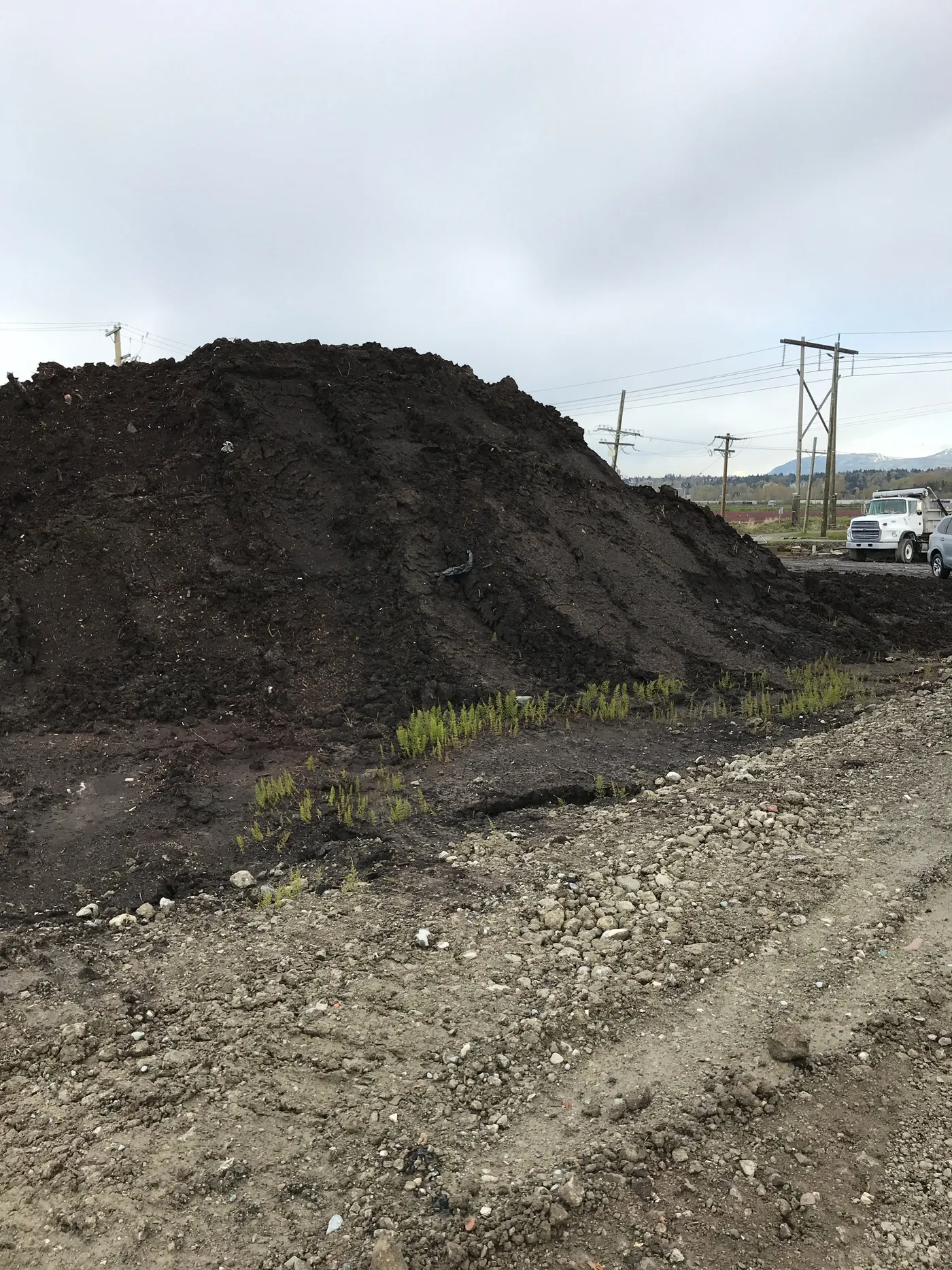
The cold-call version is different. It is a disposal arrangement described in the language of a gift, and the party with the problem is the one holding the soil. Once the last load is tipped, the soil is on your title, and so is everything that came with it.
What the offer tends to leave out
Three things, in our experience.
The first is where the soil actually came from. “Clean topsoil” is a description, not a test result. Soil stripped from a road corridor, an old fuel yard or a demolition footprint looks identical to soil from a farm field once it is in a truck.
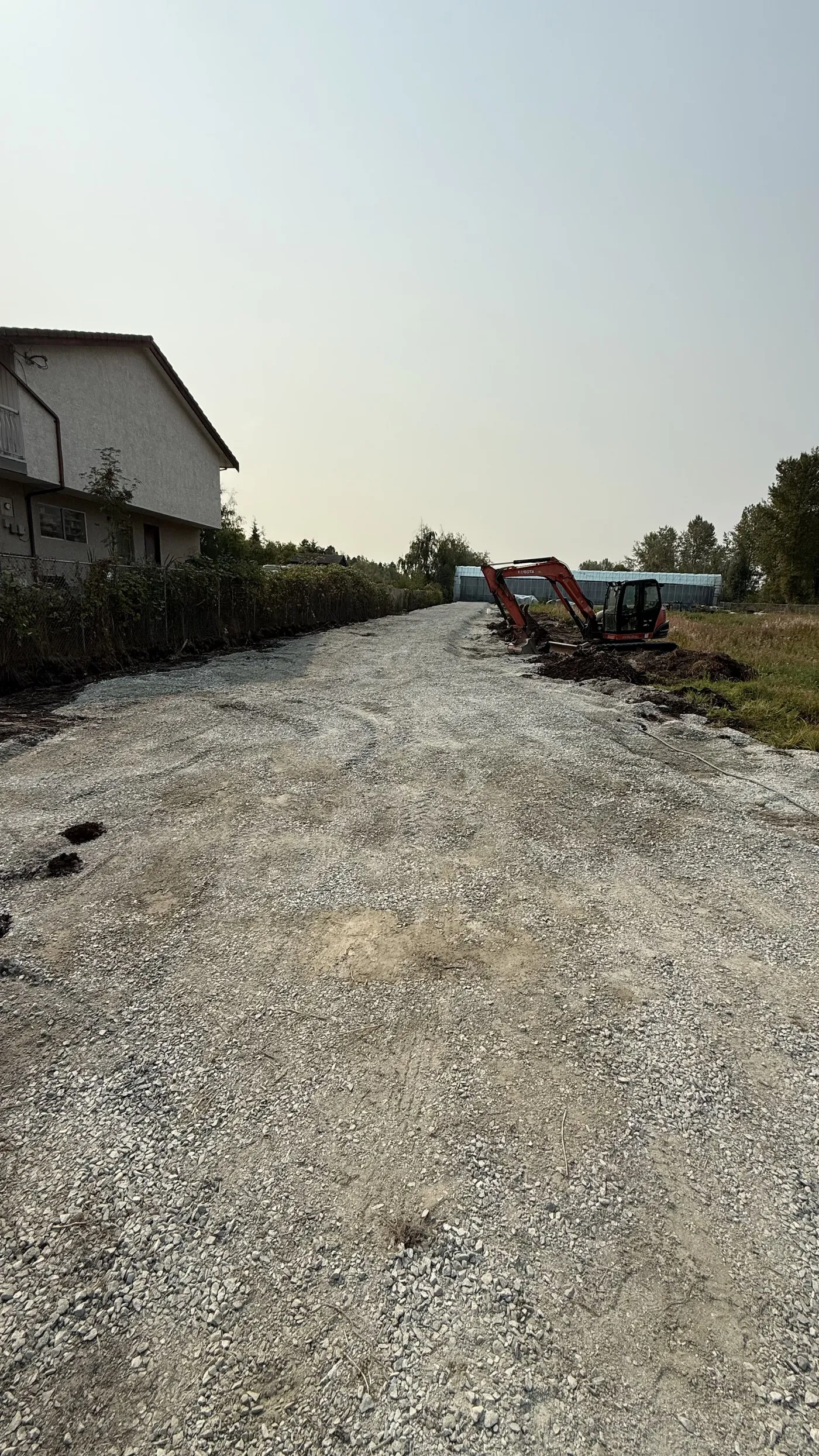
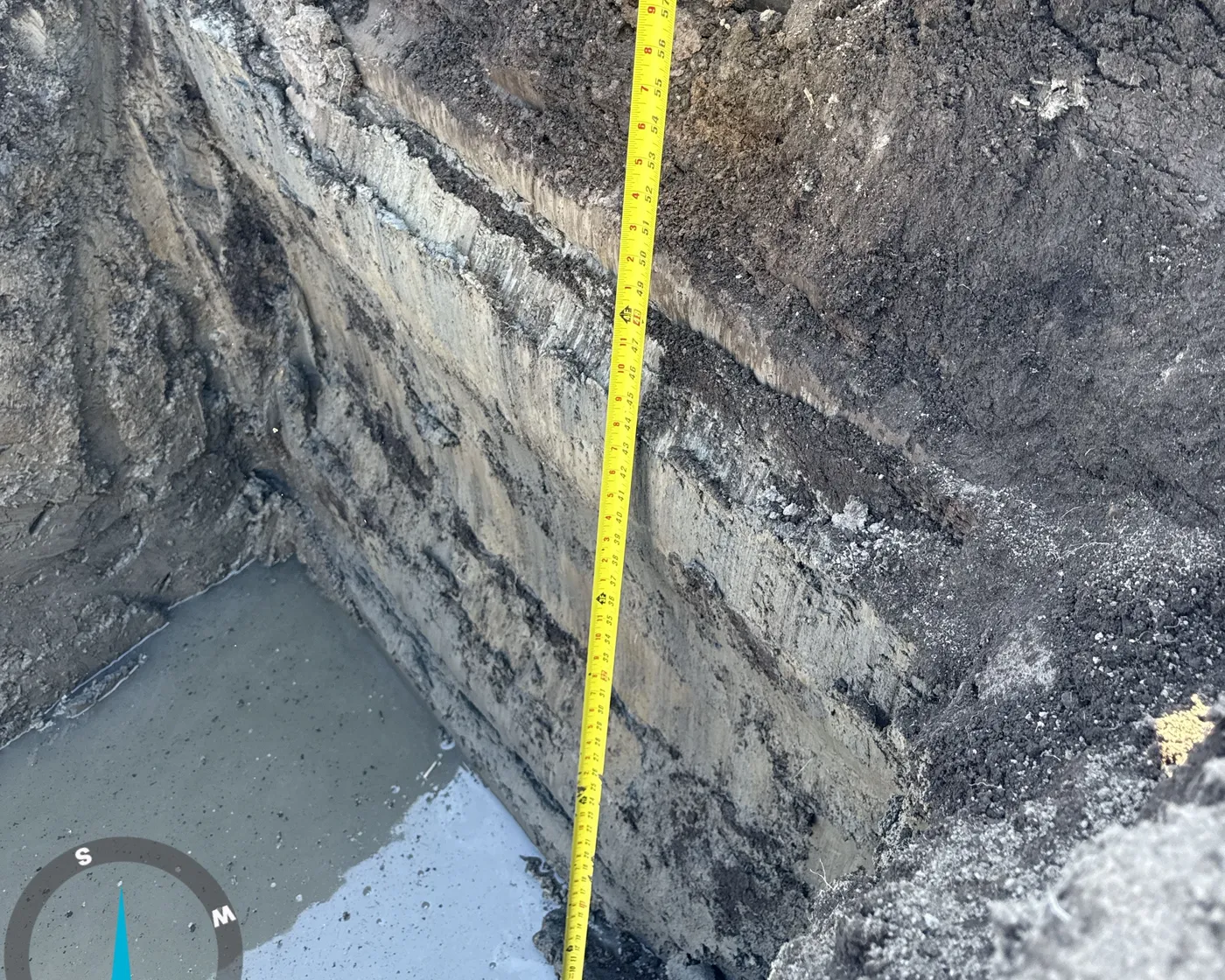
The second is what it will do to the land underneath. Fill placed without a plan compacts the soil it lands on, pushes surface water onto a neighbour, buries the topsoil that gives a field its productive value, and can bring in invasive plant seed and construction debris. On ALR land that damage is measured against agricultural capability, and undoing it is a far bigger job than the placement ever was.
The third is who carries the consequences. The Environmental Management Act names categories of responsible persons for the remediation of a contaminated site, and a current owner of the site is among them. The Act does set out exemptions for some owners, and they depend on what the owner knew, what inquiries they made and whether they caused or contributed to the contamination. Accepting unverified soil from a stranger works against all of that.
On ALR land, the approvals come before the trucks
If the parcel sits in the Agricultural Land Reserve, placing fill is a regulated use, not a landscaping decision. A person intending to place fill or remove soil for the specified farm, non-farm and residential uses set out in the regulations must file a Notice of Intent with the Commission at least 60 days before starting the work. The Commission’s chief executive officer may then ask for more information, approve the work in writing, or order in writing that it not proceed unless permitted by an application. Some small residential construction situations are exempt, and more narrowly than callers suggest. Our post on bringing fill onto ALR land covers the wider picture.
Your municipality holds a second file
Provincial approval is not municipal approval. Richmond’s Soil Deposit and Removal Bylaw No. 10200 says no one may deposit or remove soil without a permit unless an exemption applies. On ALR land the application can include a report from a Professional Agrologist, certification from one that the soil meets the criteria for its intended use, and an independent monitoring plan, and the work can close with a final agrologist’s report confirming it met the permit’s conditions. Surrey and the Township of Langley each run their own bylaw with their own triggers. Two rule books apply at once, which our page on soil deposit and removal permits sets out.
The provincial soil relocation rules apply either way
Under the Environmental Management Act and the Contaminated Sites Regulation, where a source site has or had a use listed in Schedule 2 of the regulation, a qualified professional generally has to characterize the soil and submit a Soil Relocation Notification to the ministry before it moves. Moves of less than 30 cubic metres per project are exempt, with exceptions.
Note where that leaves the receiving landowner. The paperwork is prepared on the other side, and you are relying on it for what ends up in your own land. A source site unwilling or unable to produce its paperwork has told you what you need to know.
The short answer
Not on the strength of a phone call. Before anything is tipped: where the soil originates, what that site was used for, what the analytical results say, whether the placement helps or harms the capability of the land, and which approvals have to be in hand first. Those are the questions a fill quality assessment and source site review are built to answer, and each is easier to settle before the trucks arrive than after.
If someone has offered you fill, or loads have already started arriving, get in touch and we will tell you where you stand.