Agrologist in Pitt Meadows, BC
Pitt Meadows is farmland first: 78 percent of the city is agricultural land, and soil moves are governed by Soil Deposit and Removal Bylaw No. 3000, 2024. Titrin AgriSoil Solutions supports landowners and farm operators here with agrology reports, fill quality assessments, and ALC application work, led by a Professional Agrologist.
Common work in Pitt Meadows
- ALR soil deposit and fill permit support
- Fill quality assessments
- Farm plans for berry and dairy operations
- ALC non-farm use and subdivision applications
- Soil suitability and land capability assessments
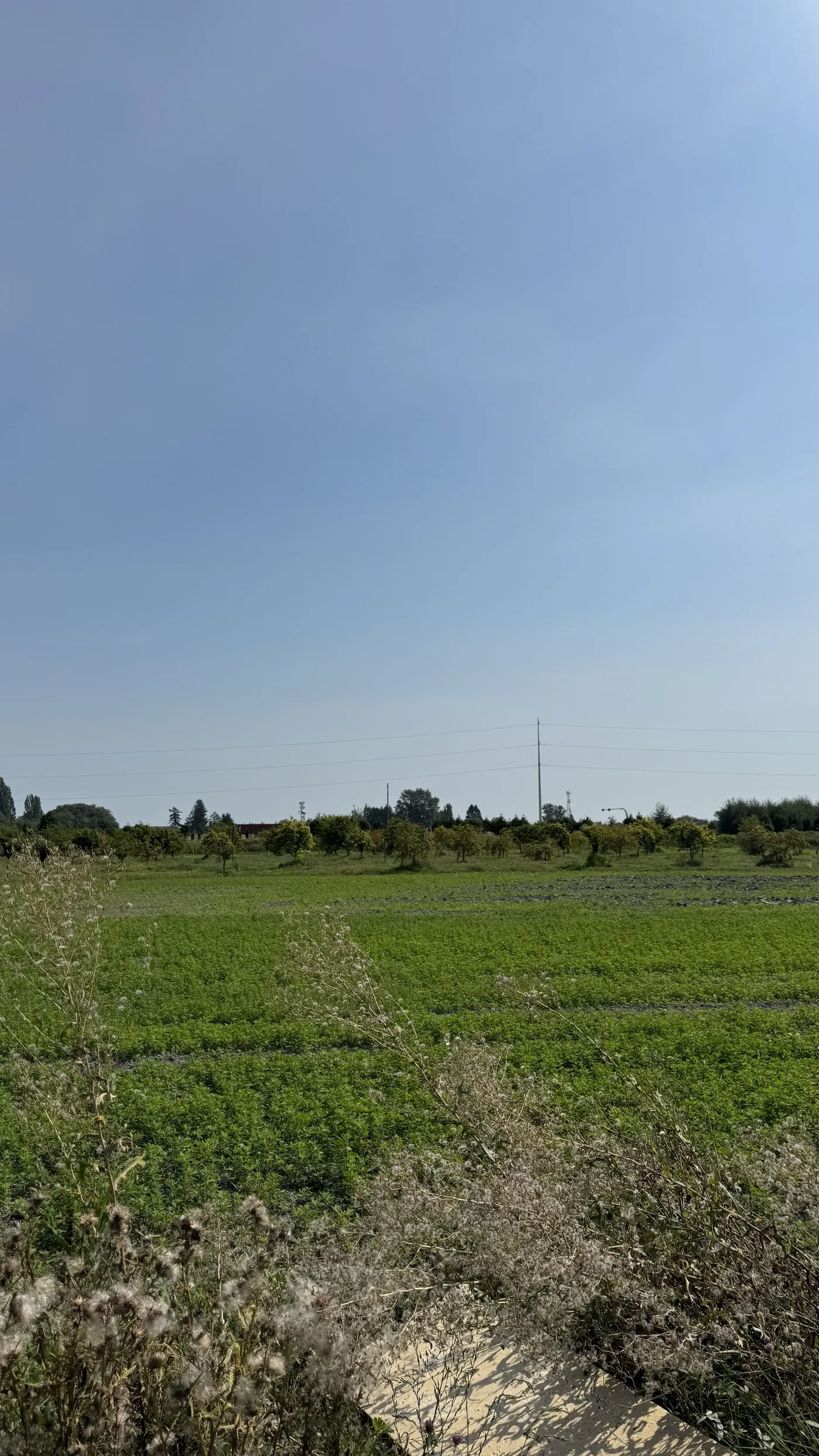
Farmland first: 78 percent of the city is agricultural land
Pitt Meadows is one of the few municipalities in Metro Vancouver where agriculture is not the exception but the baseline. The City’s own figures put 78 percent of its land base in agriculture, and it ranks sixth among BC municipalities for agricultural output. Around 20 percent of the province’s blueberries are grown here, alongside cranberries, dairy, nursery stock and greenhouse crops. That mix matters for soil work: berry ground, forage land and greenhouse sites each carry different expectations for grading, drainage and soil quality, and water management often shapes what is practical on this landscape.
For landowners, this means almost any project that moves soil, adds a building, or changes how a parcel is used will intersect with ALR rules, and often with agrology questions about capability, drainage and fill suitability.
The regulatory picture in Pitt Meadows
Soil movement in the city is governed by Soil Deposit and Removal Bylaw No. 3000, 2024, which replaced the earlier Bylaw No. 2593. Soil/Fill Permits are issued by the City’s Director of Engineering and Operations, and the City works with the Agricultural Land Commission where a file touches the ALR. Volume matters before you plan a project. At 500 cubic metres or more the bylaw calls for a completion report sealed by a qualified professional, and sealed monthly reports where the work runs longer than a month. Applications over 5,000 cubic metres go to Council for information, an ALR file that needs a Council resolution goes first to the City’s Agricultural Advisory Committee, and the City’s permit page describes Council authorization for 500 cubic metres or more a year. That can change timelines and the depth of justification a project needs, so it pays to understand your volumes early.
On ALR parcels, the Commission’s own rules on fill placement and soil removal apply on top of the municipal bylaw, and depending on where a property sits, floodplain and drainage regulations may also come into play. As always, decisions rest with the ALC and the municipality; our role is to give an application its best technical footing.
How we help in Pitt Meadows
Titrin AgriSoil Solutions is based in nearby Richmond, and our Principal Agrologist’s background includes work with both the Agricultural Land Commission and the City of Richmond, so ALC-coordinated municipal reviews are familiar ground. For projects that involve bringing material onto farmland, we prepare soil deposit and removal permit applications and the supporting agrology rationale, backed by fill quality assessment work that documents what the material is and whether it belongs on agricultural soil. Where a project needs source vetting before trucks roll, fill source siting helps avoid importing a problem.
For berry growers and dairy operations planning new infrastructure, a farm plan can frame the agronomic case for buildings, grading or drainage changes. Where a proposal needs Commission approval, whether for non-farm use, subdivision or placement of fill, we prepare ALC applications end to end. And if you are still weighing whether to accept fill at all, our guide to bringing fill onto ALR land is a good place to start.
If you are planning soil work, a farm building or an ALC application in Pitt Meadows, get in touch and we will map the pathway before you commit to a design.