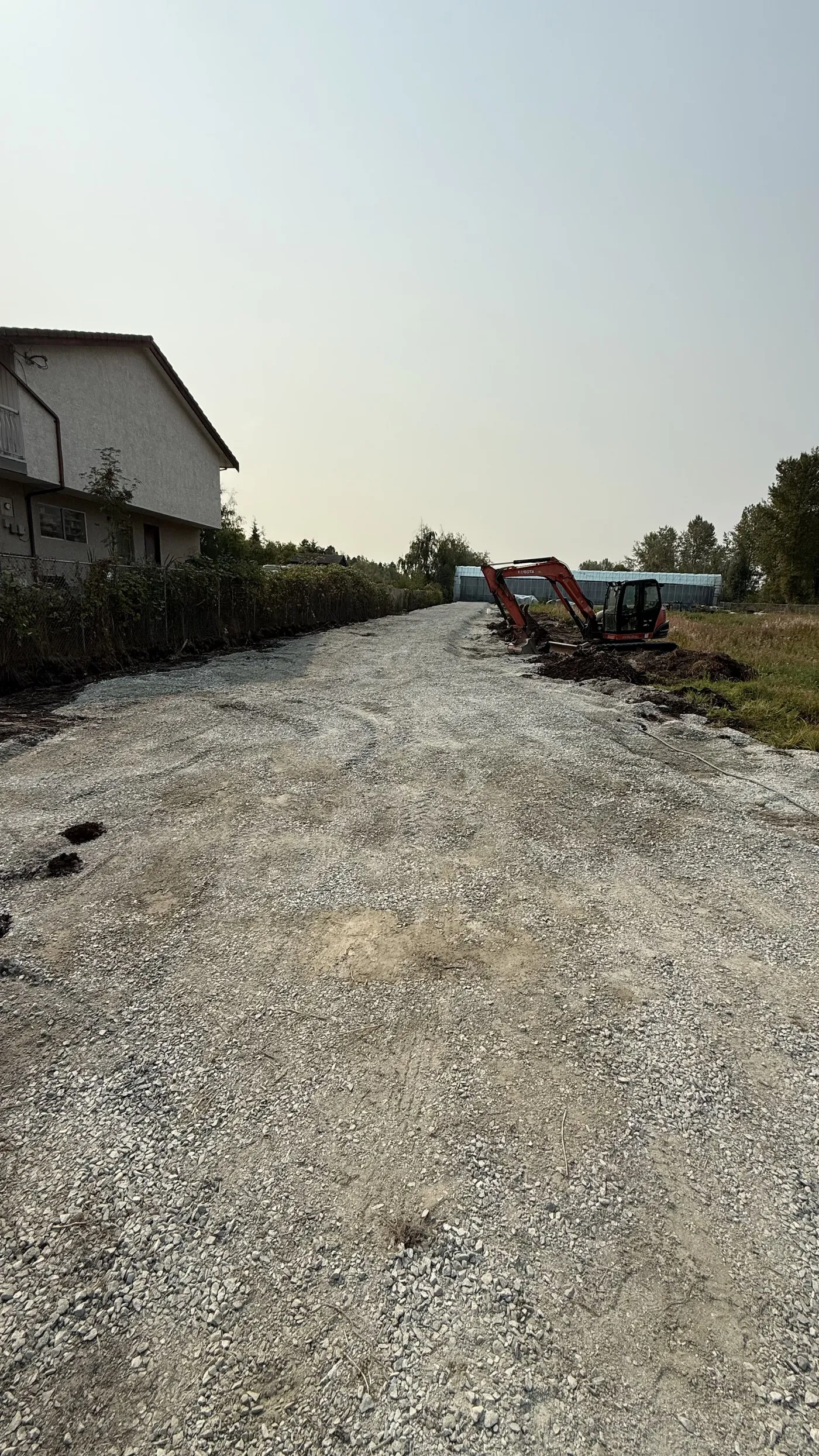
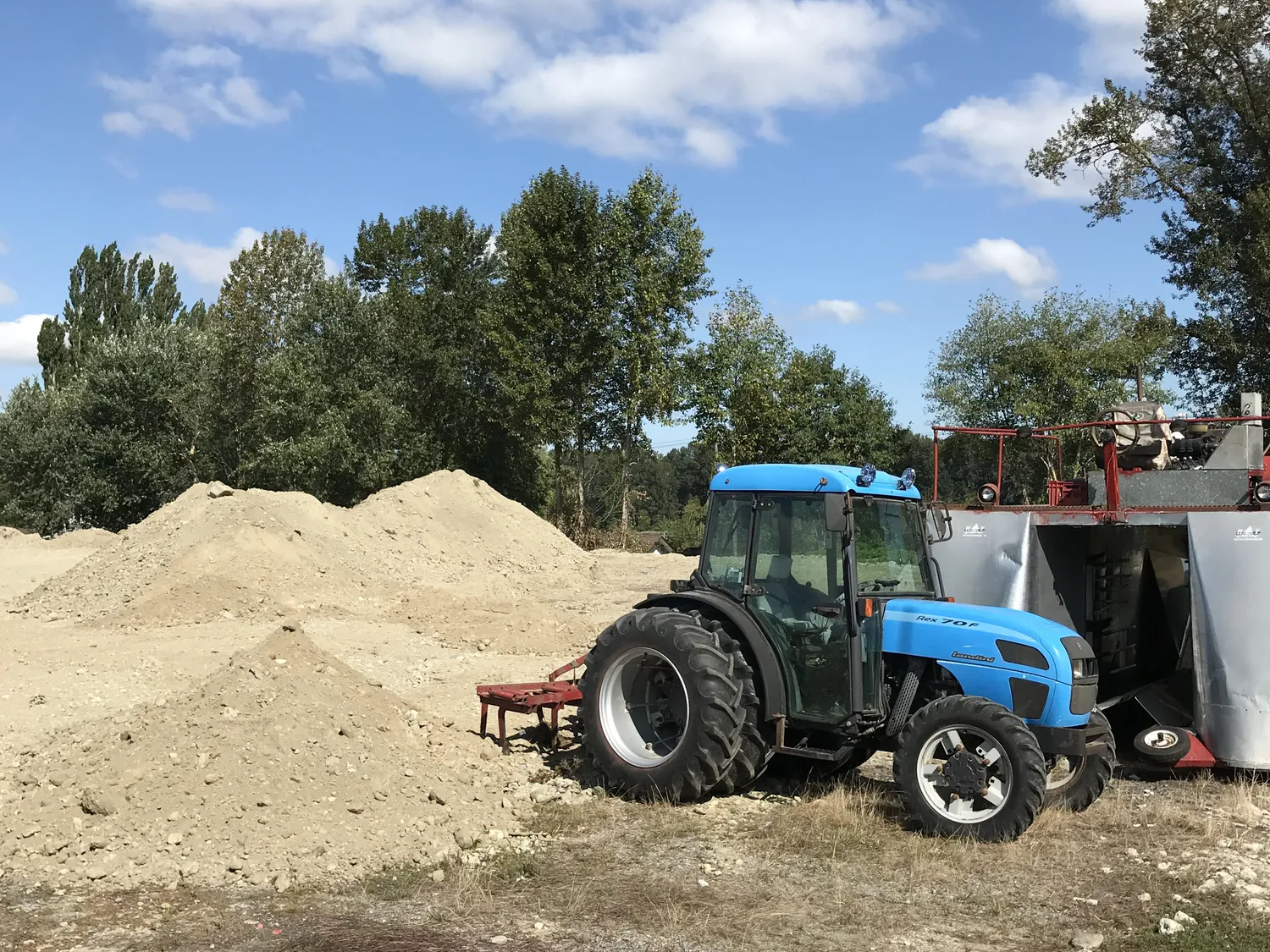
October 12, 2026 · 4 min read
You got a soil or bylaw notice about fill on your property. What happens next?
A letter or a posted order about fill on your land is unsettling. Who sends these notices, what they can require, and why your first reply matters.
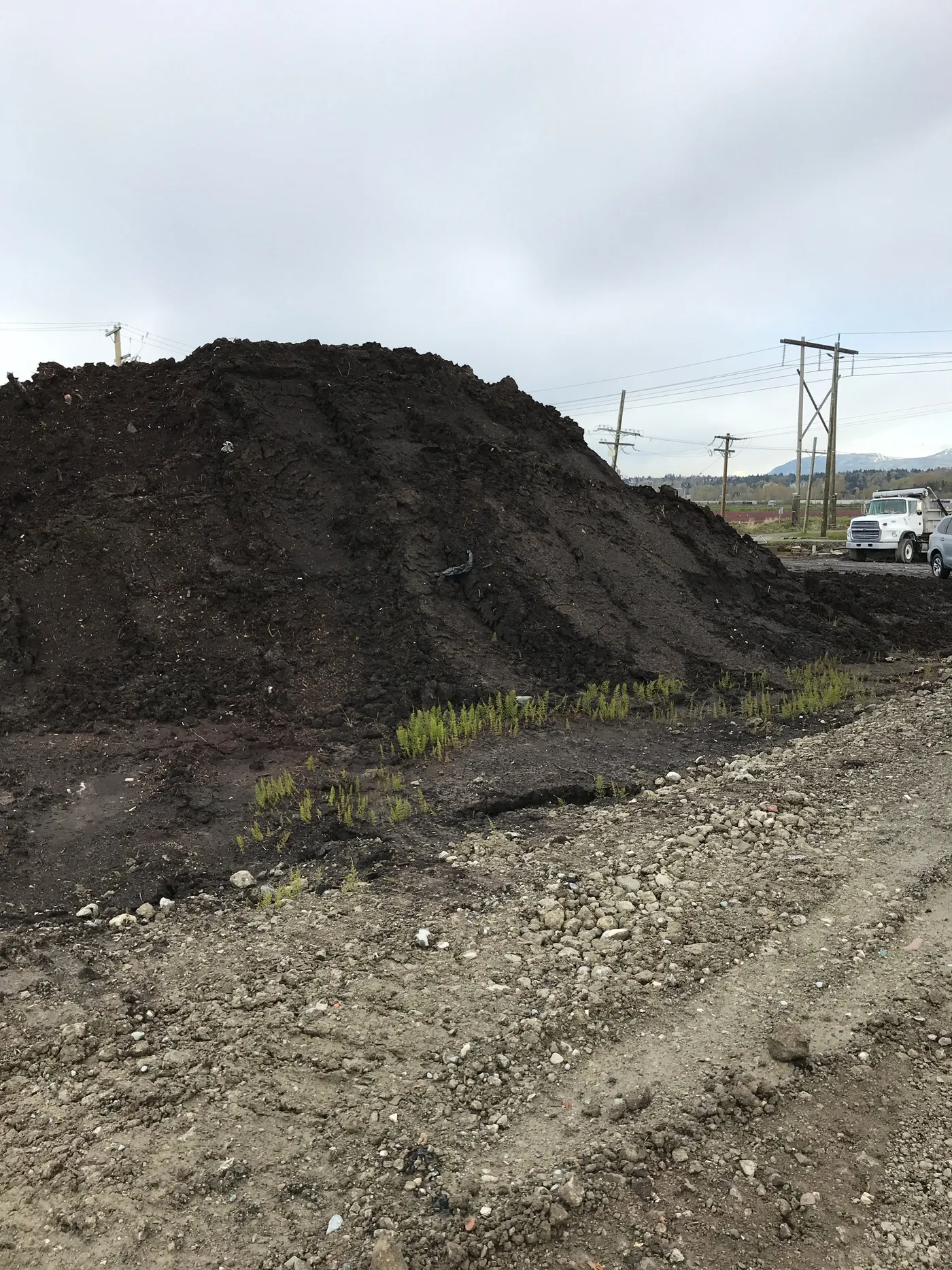
Start by working out who sent it
Notices about fill on agricultural land in the Lower Mainland come from two directions, and sometimes from both at once.
The first is the Agricultural Land Commission. Its Compliance and Enforcement Program is the Commission’s enforcement arm, and placing fill on or removing soil from ALR land is regulated under the Act and the ALR Use Regulation, so work outside the permitted uses can draw its attention. Under the Agricultural Land Commission Act, its officials can enter land other than a dwelling house, take soil samples and order a person to produce records.
The second is your municipality, acting under its own soil bylaw. In Richmond that is the Soil Deposit and Removal Bylaw No. 10200, which says no one may deposit soil on or remove soil from a property without a permit unless an exemption applies. Surrey has its Soil Conservation and Protection By-law, and other cities have their own, so the procedure depends on where the land sits.
The two files are connected. Under Richmond’s bylaw, anyone who receives an ALC order about a soil deposit or removal must give the City a copy within a short deadline the bylaw sets.

Most files start with a letter, not an order
The Commission says most of the contraventions it observes are dealt with informally, through education, compliance notices, notices of contravention and direction letters aimed at voluntary compliance. Some move on to stop work orders, remediation orders or administrative penalties.
A letter, in other words, is usually the opening of a conversation. Your first reply sets the tone for what follows, which is why it deserves more thought than a quick phone call to the hauler.
What a stop work order asks of you
Under the Act, an official who considers that a person is contravening the Act or its regulations, or is about to, can order that the contravention stop, or that the person not take an action that would result in one.
Richmond’s order can go further. It can require that soil deposit or removal stop immediately, that unauthorized soil be removed by a set date, that the property be remediated to a standard the City accepts, or, if the City asks, that a permit application be filed. The order stays posted until the site fully complies, and the bylaw prohibits tampering with it. If the work is not done by the date given, the City can enter the property, carry out the work and recover the cost from the owner.
Why the response matters as much as the notice
Before the Commission’s chief executive officer levies a penalty, the regulation lists factors that must be considered. Two of them are the person’s cooperativeness and efforts to correct the contravention, and the degree to which the contravention harmed the agricultural capability of the land or its suitability for farming.
That second factor is a soil question, and so is the remedy. A remediation order can require the person to repair or mitigate the damage caused to agricultural land. The chief executive officer can also file a notice of the order in the land title office, and once it is noted on title the order binds anyone who later acquires an interest in the land. A file left to drift can follow the property to its next owner.
The tempting fix is to hire an excavator and make the problem disappear. Removing soil from ALR land is itself a regulated activity, and so is removing it under Richmond’s bylaw. Pulling material out before anyone has recorded what was placed, how deep and over what also removes the evidence a remediation plan is built on.
You have a right to be heard
A person who is the subject of an ALC stop work order, determination, remediation order or penalty can appeal to the Commission, and a penalty notice has to describe that right of appeal. In Richmond, an owner subject to a requirement under the soil bylaw can ask City Council to reconsider it, within a time limit the bylaw sets. The appeal itself is legal work, and a lawyer is the right call for it. The soil evidence behind it is ours.
Where an agrologist fits
In our experience, what both regulators eventually want is evidence about the land: what was placed, where and how deep, what sits underneath, what it did to the soil’s capability, and a credible plan to put it right, followed by proof that the plan was carried out. That is agrology work: test pits, soil assessment, a reclamation plan and monitoring through to a closure sign-off.
Our reclamation, closure and compliance work covers the assessment and the plan, and an agrologist of record covers the oversight and sign-off that follow. Where a permit is part of the way back, our page on soil deposit and removal permits sets out how the provincial and municipal approvals fit together.
If a notice has arrived, send us a copy with the date it was issued. We will tell you plainly what it is asking for and what the sensible next step is.