May 20, 2026 · 5 min read
Do You Need a Farm Plan for Your ALR Property in BC?
A plain-English guide to when BC landowners actually need a farm plan for ALR property: SFU or ALC applications, farm class, or municipal bylaws.
What a farm plan actually is
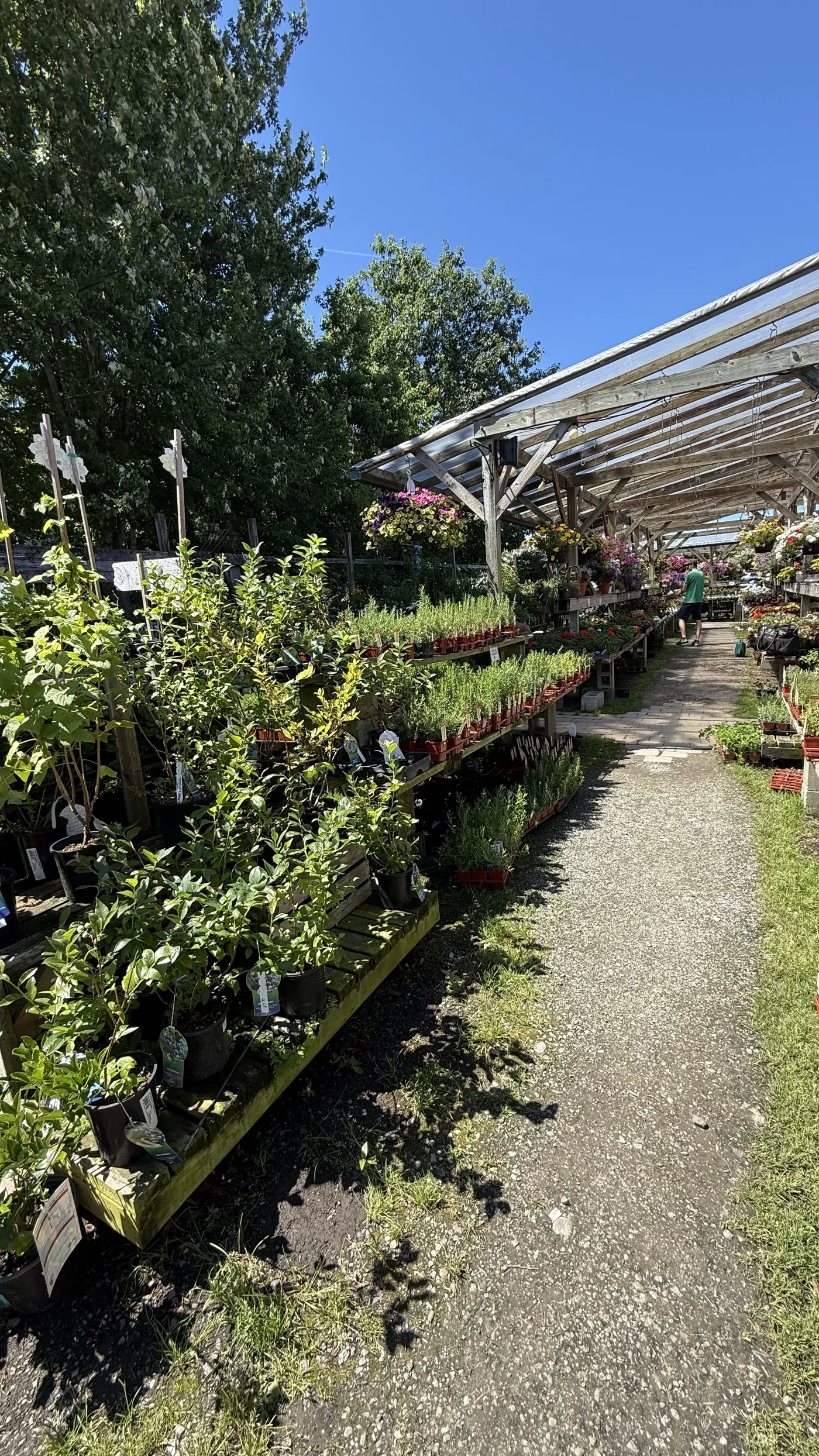
A farm plan is a written, professional account of how a parcel of agricultural land can realistically be farmed. It pulls together what the property is, what the soils can support, how water moves across the site, and which crops and land uses make agronomic and economic sense. Done well, it serves two audiences at once: you, the landowner, who wants a clear path forward, and a regulator, who wants evidence that a proposal is genuinely rooted in agriculture.
That second audience is why “farm plan BC” is such a common search. On land inside the Agricultural Land Reserve (ALR), a farm plan is often the supporting document a reviewer asks to see before they will move a file forward. It is not a form you tick, it is a reasoned case, grounded in the soils that are actually in the ground.
The common situations that call for one
Most landowners do not wake up wanting a farm plan. They need one because a regulator, an assessor, or a bylaw has asked for evidence. The usual triggers in the Lower Mainland and beyond:
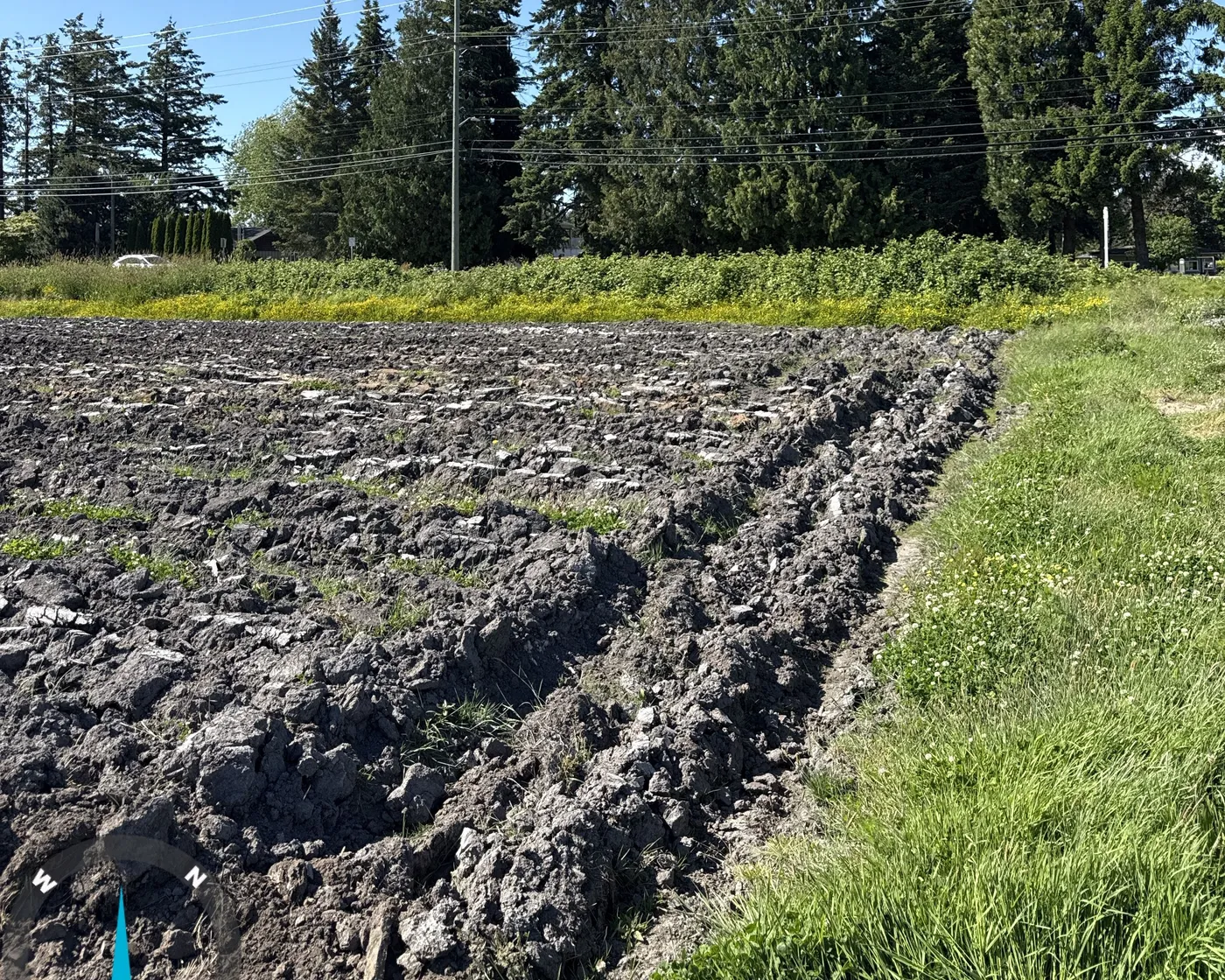
- A Soil or Fill Use (SFU) application. If you intend to place fill or alter soil for a farming purpose, a farm plan typically explains why that work makes agronomic sense. Without it, the application is a request with no rationale attached.
- BC Assessment farm-class status. Farm class can meaningfully change how a property is assessed, but BC Assessment makes that determination against its own income thresholds and use tests. A farm plan supports the case; it does not grant the status.
- An ALC application. For a non-farm use, a subdivision, or a similar request to the Agricultural Land Commission (ALC), a credible agricultural plan strengthens your position by showing the land’s farming context honestly.
- A municipal bylaw. Farm and ALR bylaws differ from one local government to the next. In Richmond and across Metro Vancouver, a farm plan can be a condition of a permit or approval, and what satisfies one municipality will not automatically satisfy its neighbour.
There is also the quiet fifth case: you have bought ALR land and simply want an expert answer to “what should I actually do with this property?” That is a legitimate reason on its own.
ALR, ALC, and where a farm plan fits
A quick orientation, because the acronyms trip people up. The Agricultural Land Reserve (ALR) is the provincial zone of land protected for farming. The Agricultural Land Commission (ALC) is the body that administers it. If your property sits in the ALR, your options for soil deposit, fill, non-farm use, and subdivision run through ALC policy and your municipality’s bylaws, two rule sets that do not always agree. A farm plan is one of the documents that helps a proposal speak to both.
Why a vague farm plan stalls a file
This is the part worth dwelling on, because it is where time and money quietly disappear.
A generic plan, “the owner intends to grow crops” with no soil description, no drainage observations, no crop logic tied to the actual ground, reads to a reviewer as a placeholder. It invites questions, requests for more information, and delay. Sometimes it invites a refusal that a sharper submission would have avoided entirely.
A strong farm plan does the opposite. It describes the soils from real field observation, treats drainage honestly (noting where a field sits wet and what that means for crop choice), and recommends a land use the soils can genuinely support, blueberry on suitable acidic, well-drained ground; forage where a lower-input rotation fits; nursery or cut-flower where site and market align. It anticipates the questions instead of triggering them. The difference between the two is rarely length. It is specificity, and whether the plan was written by someone who knows how regulators read these files.
So, do you need one?
If any of the triggers above apply to your ALR property, the honest answer is “probably, and getting it right the first time matters.” But the more useful question is which document your situation actually calls for. An SFU application, an ALC application, a farm-class case, and a municipal permit each ask for slightly different things, and the wrong document, or a thin version of the right one, is how files stall.
That diagnosis is genuinely hard to DIY, because it depends on reading current ALC policy, your specific municipal bylaws, and the soils on your particular parcel together. This is the point where a Professional Agrologist earns their keep: not to fill in a template, but to tell you plainly what the regulator will expect, design a plan the soils can support, and prepare it, stamped where appropriate, so it stands up the first time. Drainage that needs an engineered design is referred to a qualified engineer; the agronomy and the regulatory case are ours.
Talk it through with Titrin
Titrin AgriSoil Solutions is led by a Professional Agrologist registered with the BC Institute of Agrologists, with over a decade of experience spanning the ALC and the City of Richmond, the perspective that comes from having read these files from the other side of the table. We prepare ALR farm plans, SFU applications, and the supporting soil work for landowners across Metro Vancouver, the Fraser Valley, and Vancouver Island, with a deep Richmond focus. If you are not sure whether you need a farm plan, or which application your situation actually calls for, reach out for a straightforward conversation about your property before you commit to a path.