Soil Deposit Permit Agrologist Report, Delta
Agrologist support for a Delta soil deposit permit under Bylaw 7221: the ALC notice or application that must come first, the independent agrologist assessment the City may require, and the placement plan.
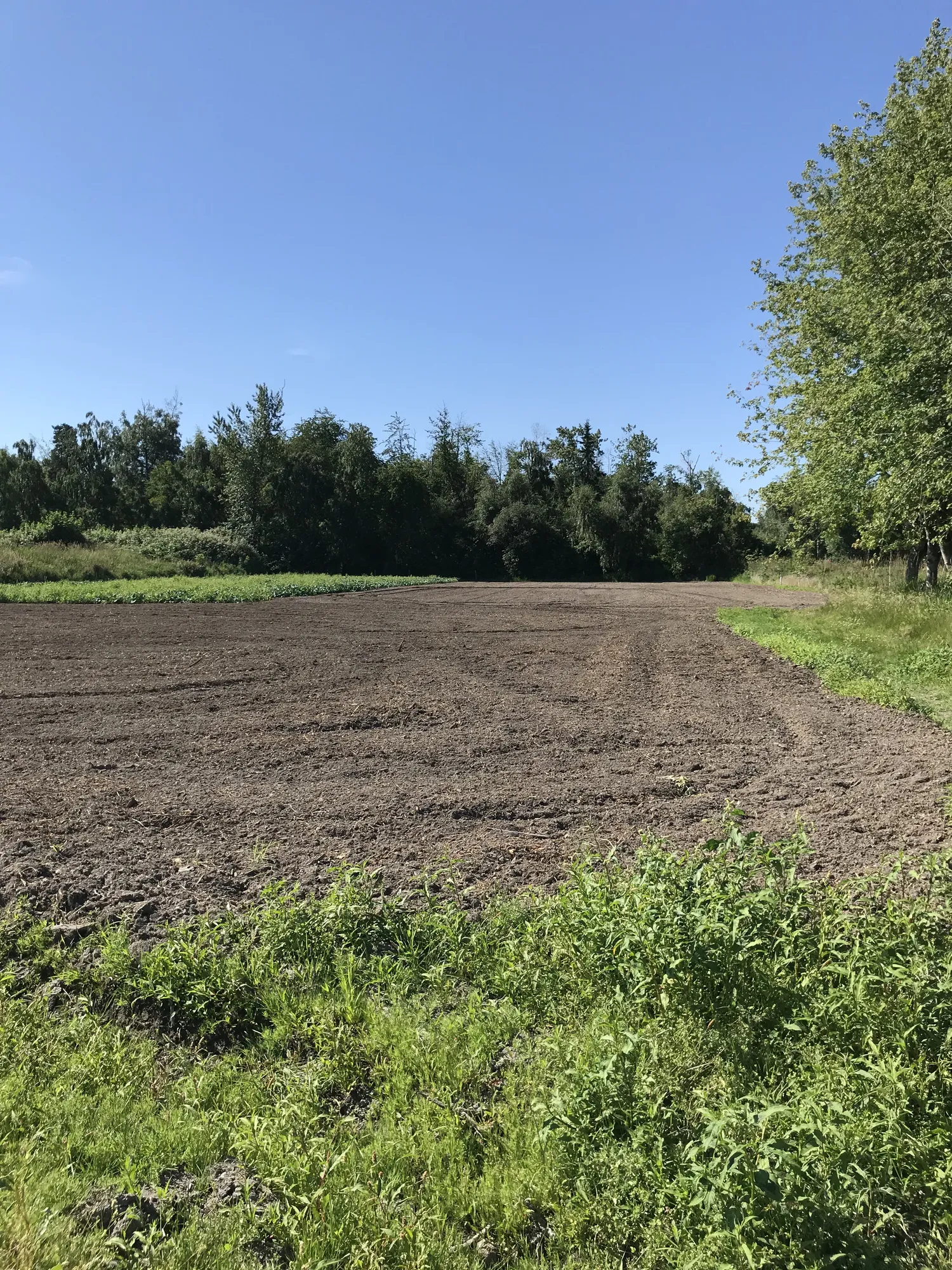
Delta's Soil Deposit and Removal Bylaw 7221 puts the Commission first: on ALR land no permit issues until the ALC has approved after a Delta Council resolution, and the City may require an independent agrologist's assessment before it decides. We prepare the Commission package, the placement plan and that assessment from across the river in Richmond.
What's included
- The ALC notice of intent or soil or fill use application that Delta's bylaw requires to be approved, after a Delta Council resolution, before any permit issues on ALR land
- The independent agrologist assessment of the proposed deposit's advantages and disadvantages to agricultural operations, where the City requires one under section 18
- The placement plan: volumes, depths, final grades, material suitability and the drainage observations behind them, written to ALC Policy P-15 where the fill is for soil-bound agriculture
- The Schedule C information package for agricultural deposits between 30 and 100 cubic metres that may proceed on the Manager's written approval
- Agrologist-of-record placement oversight and closure sign-off once the permit issues, scoped separately
Delta’s sequence
Delta runs fill on farmland through three decisions in a fixed order. Bylaw 7221, the City’s Soil Deposit and Removal Bylaw, prohibits depositing or removing soil without a permit, and on ALR land it goes further: section 8 says no exemption applies and no permit will be issued until the Agricultural Land Commission has granted approval after receiving and considering a resolution from Delta Council. Council first, then the Commission, then the City permit.
That makes the Commission package the document that carries the file, and the agrologist’s work is what that package rests on. For the general framework see our guide to bringing fill onto ALR land and the Delta service area page; this page is about the permit itself.
Where the agrologist is required, and where the City may require one
Delta’s bylaw is discretionary about professionals. Section 18 lets the Manager require the applicant to retain a professional agrologist, hydrologist, engineer or other registered professional to give an independent assessment of the proposed deposit’s advantages and disadvantages to agricultural operations, at the applicant’s expense. Schedule C, the information the City wants with an agricultural application, lists professional reports by discipline. On a small agricultural deposit between 30 and 100 cubic metres, filing Schedule C and obtaining the Manager’s written approval can stand in for a permit.
The Commission’s side is not discretionary. Its criteria for agricultural capability assessments require that reports submitted to it come from a Professional Agrologist in good standing with the BC Institute of Agrologists, and its June 2026 policies on fill for soil-bound agriculture set out the fill placement plan and technical documentation a proposal needs. The title is reserved in British Columbia, so the person signing matters.
What we deliver
One practice prepares the whole file so the Council report, the Commission package and the City application tell the same story: the placement plan with volumes, depths, final grades and material suitability; the soils and capability work behind it, from test pits on the parcel; the observed drainage conditions and their agricultural implications, which on Delta’s delta-floor soils is usually the deciding question; and, where the City invokes section 18, the independent assessment in the form the Manager asks for. Engineered drainage and geotechnical design stay with a P.Eng., and we say so in the report.
The exemptions are checked first. Fill to build or maintain a farm structure or principal residence is permitted without the Commission where the area is 1,000 square metres or less and the floodplain elevation rules are met, and Delta’s own information sheet on structures in the ALR repeats that threshold for farm houses and farm buildings. Above it, or for any placement to improve the land, the Commission’s process applies. The prohibited-fill list in the ALR Use Regulation applies everywhere.
Once the permit issues, we stay on as agrologist of record for placement oversight and the closure sign-off. Where the material comes from another site, the source-site sign-off memo documents it.
Next door
Titrin AgriSoil Solutions is based in Richmond, across the river, and Tish Titina, P.Ag., M.Sc., worked inside the Commission and a Metro Vancouver municipality before founding the practice. Delta’s soils, crops and drainage are the ones we work with every week. The Richmond version of this page, where the City bylaw itself names the agrologist, is here; the Township of Langley version is here.
If you have a Delta parcel and fill to place, send us the address, the volume and what you are trying to achieve. We scope within one business day.