ALR buyer screen: check a farm property before you buy
A written check of one ALR property before you buy it: its reserve status, soils, Commission history, and the rules that will decide whether your plans for it can go ahead.
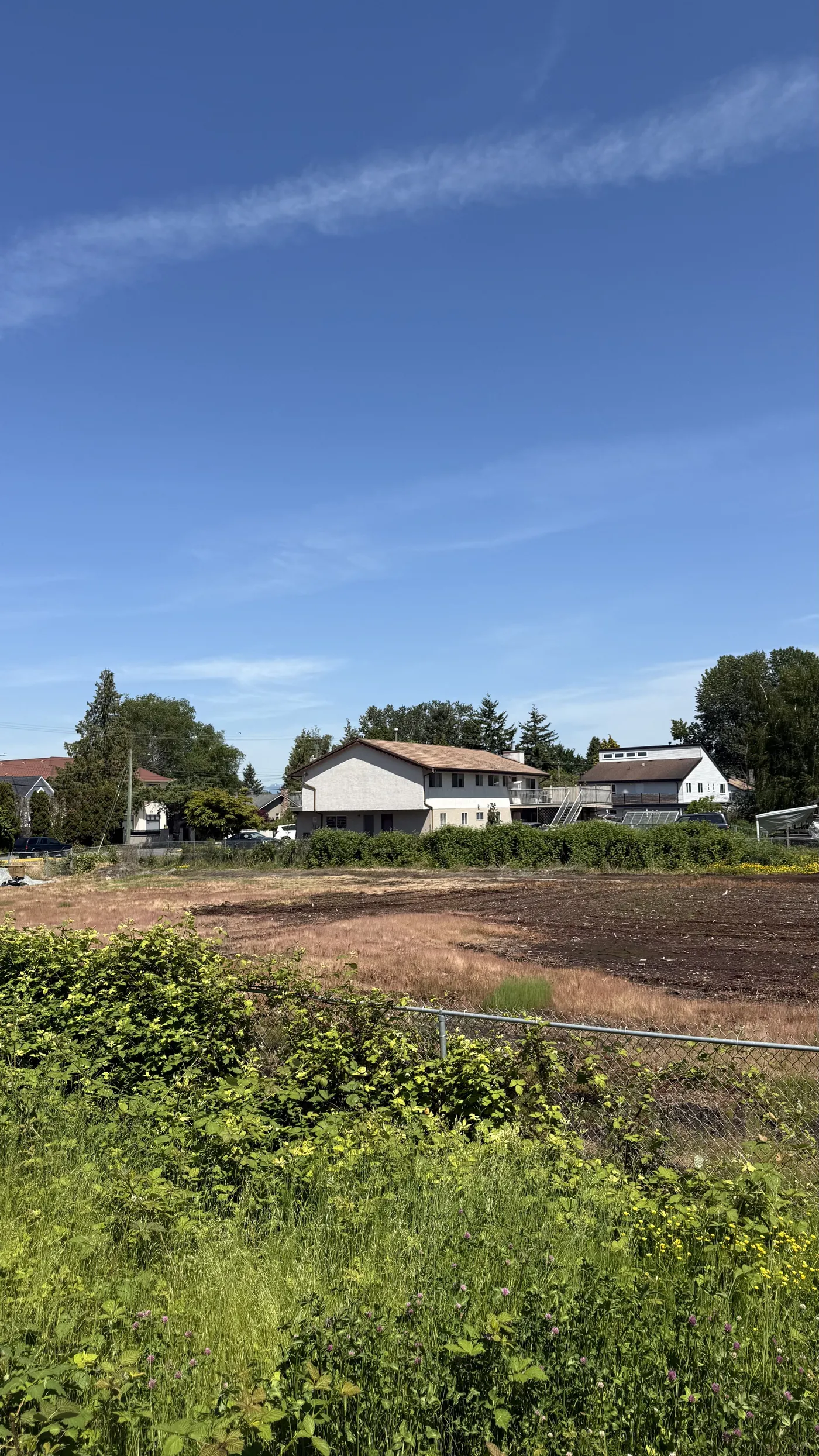
A property in the Agricultural Land Reserve can look ideal at a viewing and still carry limits no listing mentions: a cap on the house you want to build, fill that was never approved, an old Commission decision, soils that will not support the farming you have in mind. The ALR buyer screen puts those questions to the public records before you are committed, and gives you a short written answer you can take to your lawyer and your realtor.
What's included
- The property's reserve status, zoning and basic parcel facts from the public records, with an aerial map of the parcel
- The mapped soils and agricultural capability from provincial soil survey mapping, on a map, with a plain reading of what they mean for the farming you plan
- Every application, decision and notice of intent on the property that the Commission's public search shows, and any municipal records that are public or that the seller provides
- A read of historical air photos for signs of fill, raised pads or past uses that deserve a question before you buy
- Your plans checked against the rules: the house, any fill or soil work, farm buildings, farm class, and who decides each step
- A short list of questions to put to the seller and your lawyer before your subjects come off
- A call to walk you through the findings
Why buying in the ALR needs its own check
Land in the Agricultural Land Reserve is governed by the Agricultural Land Commission Act and its regulations, and a local bylaw that is inconsistent with the Act has no force to the extent of the inconsistency. The listing, the zoning map and the neighbour’s place do not settle what you can do with the property. The provincial rules do.
Two of those rules catch buyers most often. The Act allows one residence per parcel, with a principal residence of 500 square metres of floor area or less, unless the regulations or a Commission decision allow otherwise. And soil may not be removed from, or fill placed on, reserve land unless the Commission has approved it, the regulations permit it, or the owner has given notice and followed the notice process. Fill placed without that can become the next owner’s problem, and it does not show at a viewing.
Our guide on buying ALR land in the Lower Mainland sets out the questions. The buyer screen answers them for one property.
What the screen covers
We start with the property itself: its reserve status, zoning and parcel facts from the public records, on an aerial map. We read the mapped soils and agricultural capability from the provincial soil survey and tell you in plain words what they mean for the farming you plan.
Then the history. The Commission publishes an application and decision search, and we pull every application, decision and notice of intent it shows for the property, along with any municipal records that are public or that the seller provides. Not every record is published, so where the public file is thin we say so and tell you what to ask for. We also compare historical air photos for signs of fill, raised pads or past uses that deserve a question.
Last, your plans. Whether you want to build a house, add a farm building, bring in fill, sell from the farm or keep farm class for property tax, we check each step against the rules and tell you who decides it. Farm class is a separate BC Assessment classification with its own income test, not a feature of the reserve, and the screen treats it that way.
What it does not do
The screen does not predict what the Commission or a municipality will decide. It states what the records show and what approvals your plans would need. It is not a legal review, an appraisal or an environmental site assessment, and it does not replace any of them. Where the records leave a question open, we say so and tell you what would close it, whether that is a document from the seller, a land capability assessment or a fill quality assessment.
How it runs
Send us the address, the listing, what you plan to do with the property and your subject date. We check for conflicts, confirm we can help in time, and start. You receive a written screen with maps and a short list of questions for the seller and your lawyer, and we go through it with you on a call. If you buy and the plans need an ALC application or a farm plan, the screen is the first step of that work.
Titrin AgriSoil Solutions is based in Richmond and works across the Lower Mainland and the Fraser Valley. Tish Titina, P.Ag., M.Sc., reviewed reserve and fill files from inside the City of Richmond and the Agricultural Land Commission before founding the practice, so the screen reads the record the way the people deciding on your plans will.
If you are looking at a property in the reserve, send us the address and your plans. We answer within one business day.